
Introduction to What Is Marine Epoxy Resin? Uses, Benefits, and Limits
Boats and marine structures face a relentless battle against water, abrasion, and harsh conditions. When it comes to repairs, laminating, or bonding in these environments, marine epoxy resin stands out as a go-to solution. This article dives into what marine epoxy resin is, where it’s used, why professionals choose it for demanding marine settings, and key limitations every builder and owner should consider.
Defining Marine Epoxy Resin: Chemistry & Core Features
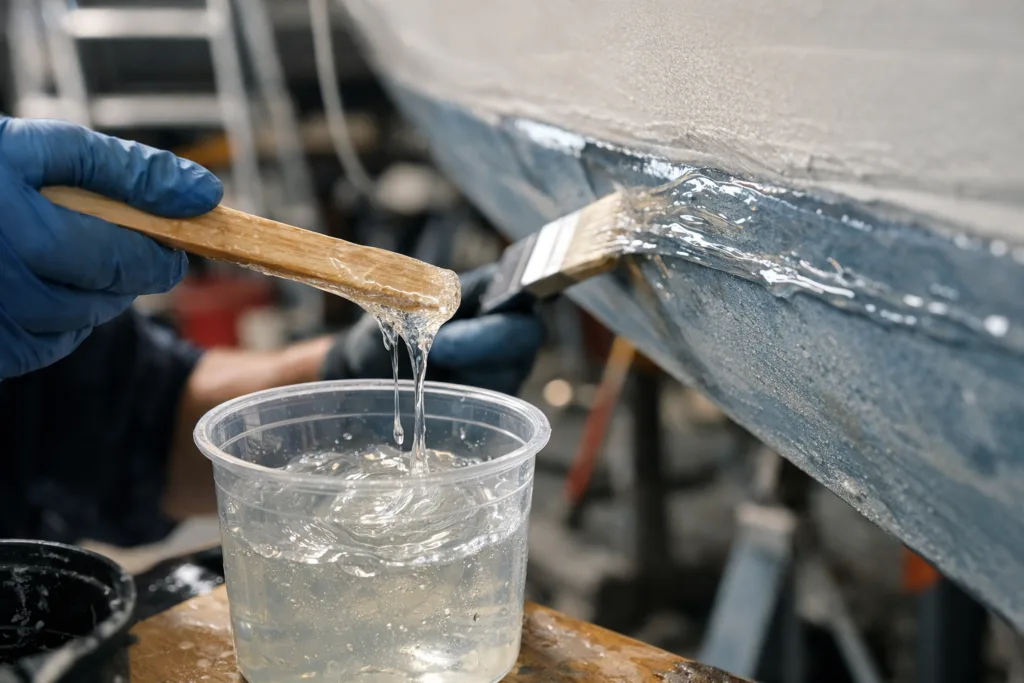
Marine epoxy resin is a specialized two-part adhesive and coating system designed specifically for use in water-exposed environments. It consists of a resin and a hardener that, when mixed, create a strong, chemical-resistant bond. Unlike general-purpose resin, marine versions offer superior adhesion, minimal water absorption, and tailored cure profiles for dynamic marine conditions.
Key Applications in Boatbuilding and Marine Repair
Marine epoxy resin is a foundation in boatbuilding—used for:
- Laminating fiberglass hulls and decks
- Bonding wood, metal, and composite panels
- Repairing damage from impact, rot, or blisters
- Sealing vulnerable joints and penetrations
For complex wood repairs, products like ZDS-2060AB solvent-free rot repair primer provide deep penetration and a reliable moisture barrier—essential in restoring compromised timber below the waterline.
Why Is Epoxy Resin Preferred in Marine Settings?
Marine environments are punishing: constant exposure to saltwater, shifts in temperature, and mechanical loads. Epoxy resin stands up to these demands thanks to:
- Outstanding adhesion to diverse substrates—even difficult surfaces like damp wood or etched aluminum
- Water resistance—its low water uptake prevents swelling, rot, and debonding
- Chemical resilience—epoxies withstand fuel, oil, and marine chemicals better than polyester or vinyl esters
- Cure system versatility—formulators fine-tune working time and cure for fast repairs or deep consolidations
Bonding Power: Marine Epoxy Resin vs. Other Adhesives
| Feature | Marine Epoxy Resin | Polyester Resin | Urethane Adhesive |
|---|---|---|---|
| Adhesion | Excellent (wood, metal, glass) | Moderate | Good (flexible substrates) |
| Water Uptake | Very low | High | Low |
| Cure System | Adjustable | Fast, brittle | Flexible, slow |
| Best Use | Permanent repair/lamination | Low-cost, cosmetic | Sealants, deck seams |
Understanding the Water Resistance Story
The real advantage of marine epoxy resin is its ultra-low water absorption. Whereas regular resins might let water creep into bond lines, marine epoxies stay stable—even submerged. This prevents osmosis, swelling, rot, and loosening of critical repairs. Testing shows top formulations keep water penetration below 1%—letting you trust the bond for years.
Lamination: How Marine Epoxy Resin Locks in Strength
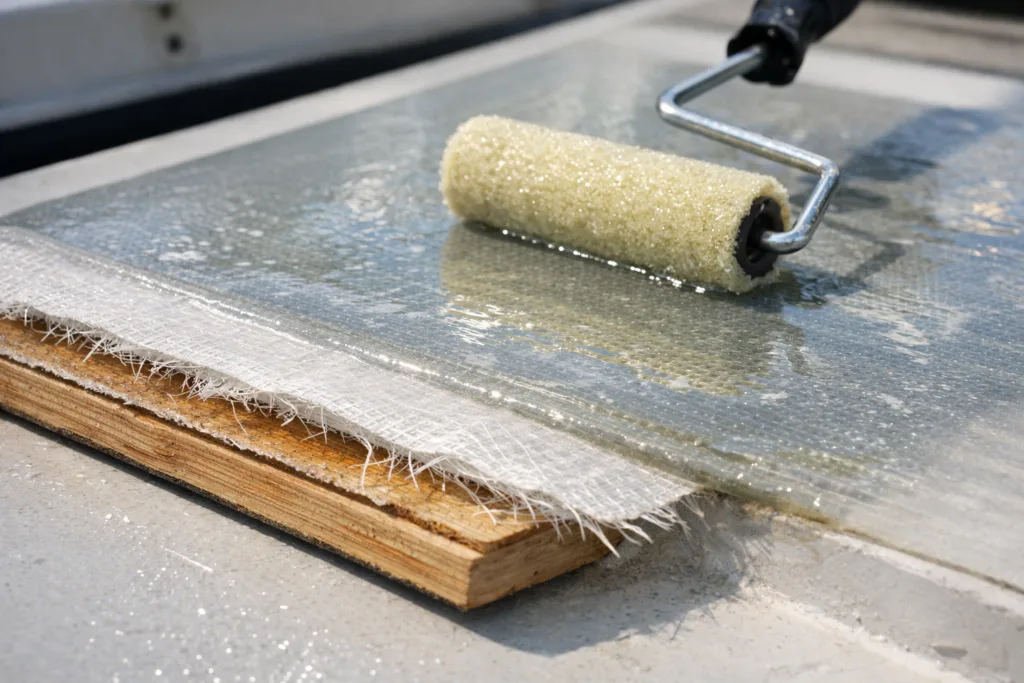
During hull or deck lamination, marine epoxy resin permeates fiberglass layers and penetrates wood grain, forming an integrated waterproof composite. Proper mixing, substrate cleaning, and wet-out are crucial—ZDSpoxy engineers emphasize batch-size discipline and careful air-release management for structural integrity and long-lived repairs.
Wood Repairs: Tackling Rot and Structural Weakness
Rot repair is a classic challenge in older boats. Specialized marine epoxy primers like ZDS-2060AB are formulated for deep penetration, low viscosity, and solvent-free safety. Such products bond residual wood fibers, block further moisture, and act as a hard base for putty or reinforcement—see ZDS-189 wood repair putty for surface finish applications.
Surface Preparation: Ensuring Maximum Adhesion
No matter how advanced the resin, substrate prep determines success. Surfaces must be dry or properly conditioned, free from oil, dust, and loose paint. Experienced applicators recommend vacuuming, solvent-wiping, and using compatible primers (such as ZDS-1060AB) before bulk repair resin application.
Epoxy Resin for Boats: Typical Marinizing Workflows
Boatbuilders follow these common steps when using marine epoxy resin:
- Assess substrate and damage
- Clean, sand, and prime as needed
- Mix resin according to batch size and working time
- Apply using brush, roller, or injection
- Allow proper cure before finishing coats or mechanical loading
Cure Systems: How Formulation Impacts Marine Performance
Marine epoxy cure systems range from rapid-set for patch repairs to slow-cure for deep lamination. Temperature, humidity, and batch volume all affect working time. High-performance systems, including ZDSpoxy products, include gel time tracking and heat control features for safety and reproducibility on-site.
Limits of Marine Epoxy Resin: Where Is It Not Ideal?
Despite its strengths, marine epoxy resin isn’t impervious. Key limitations include:
- UV Sensitivity: Epoxy yellows and chalks when exposed to direct sunlight without a topcoat—use marine paints or varnish for protection
- Flexibility: High-modulus (rigid) resins resist movement; for deck seams or flexible joints, urethane or hybrid sealants may perform better
- Application Temperature: Epoxy cure slows dramatically below 10°C; heating, tenting, or using cold-set variants may be needed
- Surface Contamination: Even small amounts of grease or wax severely reduce adhesion—pristine prep is non-negotiable
Waterproofing vs Water Resistance: Precision in Marine Resin Terms
Waterproofing implies total exclusion of water; water resistance means slowing or minimizing water ingress. Marine epoxy resins typically provide high water resistance but require compatible coatings (paints, varnishes) to deliver total waterproofing. For details, see our discussion: Waterproof vs Water-Resistant: What Boat Owners Need to Know.
Primer and Topcoat Compatibility: Avoiding Failure
Most marine repairs with epoxy should be finished with a flexible primer and a UV-resistant topcoat. Skipping this step often leads to resin chalking or delamination. Manufacturer datasheets (such as those from ZDSpoxy) typically provide full compatibility charts for primers and paints.
Marine Epoxy Grout and Sealants: Filling & Repair Beyond Lamination
For gap filling and underwater repairs, specialty products such as ZDS-1240 flexible waterproof sealant and ZDS-1002AB rapid underwater pool putty ensure tight seals, fast cure, and firm bonding—even below the waterline.
Real-World Insights: The ZDSpoxy Approach
ZDSpoxy engineers emphasize several real-world practices for successful marine epoxy resin repairs:
- Strict attention to batch mixing ratio; off-ratio mixes undermine long-term bond strength
- Gel time checks and visual monitoring—preventing exothermic runaway or premature cure
- Salt spray and moisture exposure tests prior to larger scale installation
- Records of substrate temperature, application method, and cure time to ensure repeatability and reliable handover
Marine Epoxy Resin Manufacturer: Material Selection Matters
Not all marine epoxies are created equal. Industry leaders provide full specification sheets, chemical resistance profiles, and test data supporting their claims. For reliable supply, expertise, and unique marine formulations, see our ZDSpoxy page: Marine Epoxy Resin Manufacturer.
Longevity: How Long Do Marine Epoxy Installations Last?
Properly applied marine epoxy resin repairs last years and often decades—provided all steps (prep, mixing, priming, coating) are followed. Periodic inspection and recoating for UV and mechanical damage will extend service life further.
Cost Considerations: Balancing Material, Labor, and Longevity
Marine epoxies are pricier than simple sealants. However, their durability and reliability typically provide better lifecycle value. Evaluate initial cost against repair frequency, downtime, and exposure risk.
Common Failure Modes: What Not to Overlook
- Insufficient surface prep (oil, mildew, dust)
- Incorrect mixing ratio or batch size
- Skipping topcoat protection (UV-related failures)
- Applying resin below recommended temperatures
Environmental and Safety Notes
Modern marine epoxies are formulated for low VOC emissions, safe mixing, and easier clean-up. Always use PPE, ventilate enclosed spaces, and store materials according to manufacturer guidance.
Recent Innovations in Marine Epoxy Resin
Advances include ultra-low odor, solvent-free formulas and rapid underwater cure systems. These improvements tackle jobsite constraints like enclosed cabins and urgent patching needs, minimizing downtime and odor concerns.
Case Study: Fixing a Fiberglass Hull with Marine Epoxy Resin
For a step-by-step look, see our expert guide: Can a fiberglass boat hull be repaired?. The project required lining the damage zone, prepping the substrate, injecting the resin, and finishing with a UV-resistant topcoat—epoxy enabled a watertight, seamless fix.
What Is Marine Epoxy Resin? Uses, Benefits, and Limits
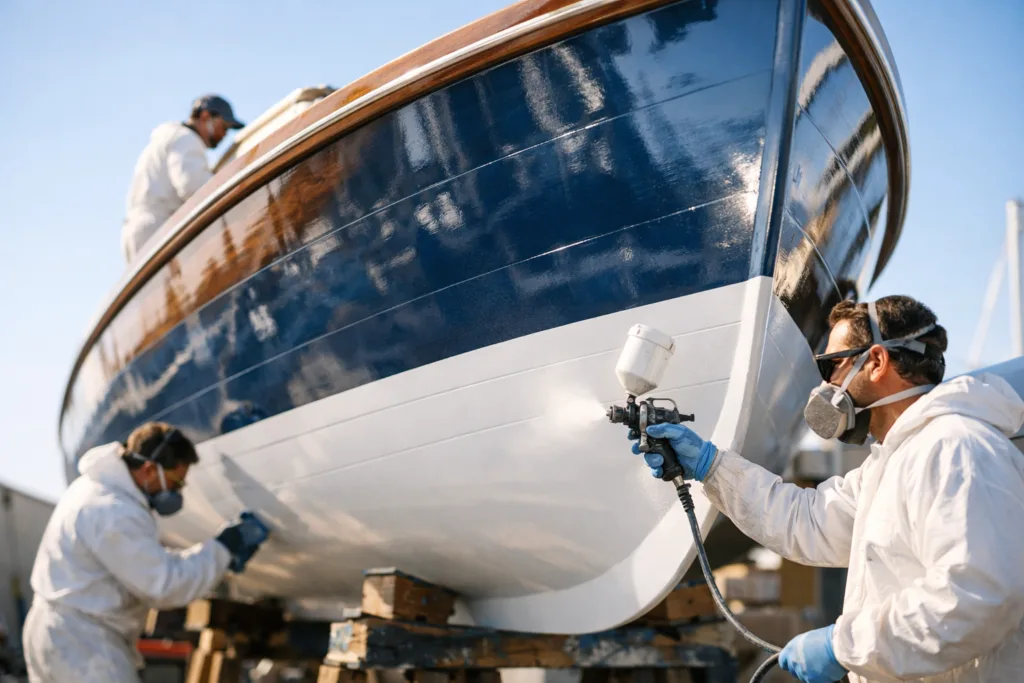
Marine epoxy resin is the backbone of modern boatbuilding and marine repair: prized for adhesion, water resistance, and versatility. Yet, careful surface prep, cure control, and compatible coatings/topcoats are essential for performance and longevity. Use high-quality products, follow the best jobsite practices, and consult manufacturer resources for tailored solutions.
Frequently Asked Questions
Can marine epoxy resin be used underwater?
Yes, some specialty marine epoxies are formulated for underwater application and cure, making them ideal for emergency repairs or sealing submerged areas.
Will marine epoxy resin prevent wood rot?
Marine epoxy resin, when used with a deep-penetrating primer, can stabilize and block moisture, greatly reducing the likelihood of future rot in treated areas.
Does marine epoxy resin need a topcoat?
Yes, for long-term exposure to sunlight and weather, a compatible UV-resistant topcoat is crucial to prevent yellowing, chalking, or degradation of the epoxy.
What surfaces does marine epoxy resin bond?
Marine epoxy bonds well to wood, fiberglass, metal, and many composites, provided the surface is clean and properly prepared.
Is marine epoxy resin flexible enough for deck seams?
Standard marine epoxies are quite rigid; flexible urethane or hybrid sealants are usually preferred for moving joints or seams that require elasticity.
How long does it take marine epoxy resin to cure?
Cure time depends on temperature, batch size, and resin formulation. Rapid-set versions may cure in hours, standard types in 24-48 hours at room temperature.
Related Reading
- Waterproof vs Water-Resistant: Decoding the Real Difference for Boaters
- Step-by-Step Fixes for Fiberglass Hull Holes
- Avoid 9 Costly Mistakes With Waterproofing Renovation
- Solvent-Free Resin Flooring: How Zero Odor Solutions Benefit Marine Warehouses
- Epoxy Flooring: Lifespan Insights Every Boat Owner Should Know