
Introduction: Why Thermal Shock Resistance Matters for Brewery Flooring
Brewery flooring endures harsh conditions daily: frequent hot water or steam cleaning, spills, rapid temperature changes, and heavy foot and equipment traffic. For breweries and taprooms, the demand for a consistently sanitary environment and uninterrupted operations means selecting the right flooring is critical. Among essential factors, thermal shock resistance stands out as a must—a property that ensures your floors won’t crack, delaminate, or fail when hot water or high-pressure steam meets a cool floor. In this article, we’ll dive deep into what makes flooring survive in brewery environments, and why advanced polyurethane mortar systems—especially those developed with ZDSpoxy’s expertise—set the industry standard for safety, hygiene, and performance.
What Is Thermal Shock Resistance in Brewery Flooring?
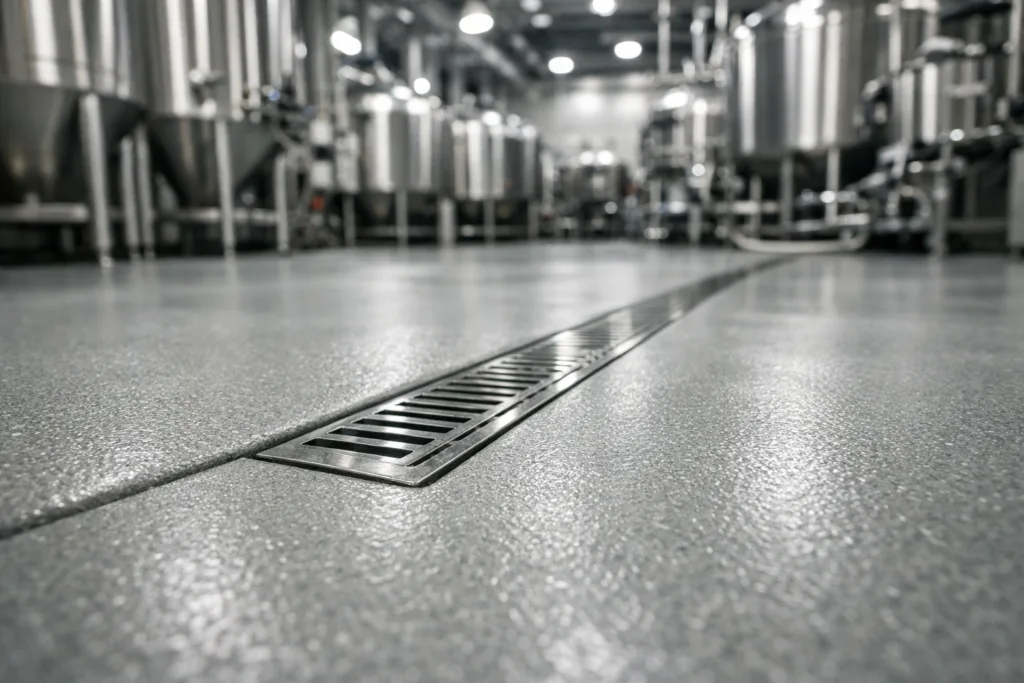
Thermal shock resistance is a material’s ability to withstand sudden, drastic changes in temperature without cracking or losing adhesion. Breweries often experience this stress when hot water or steam meets a cool floor—think of tanks being rinsed, accidental wort spills, or steam lines cleaning drains. Flooring that can’t absorb these rapid shifts will quickly show cracks or debonding, risking safety and hygiene standards.
The Unique Demands of Brewery and Taproom Flooring
Brewery floors must cope with: heavy equipment, carts, kegs, chemicals, spills, high humidity, and most notably, daily steam cleaning protocols. These environmental pressures require a system that resists not just wear, but rupture under thermal stress. Many traditional coatings quickly fail in these aggressive conditions, causing expensive downtime and repairs.
How Steam Cleaning Challenges Brewery Floors
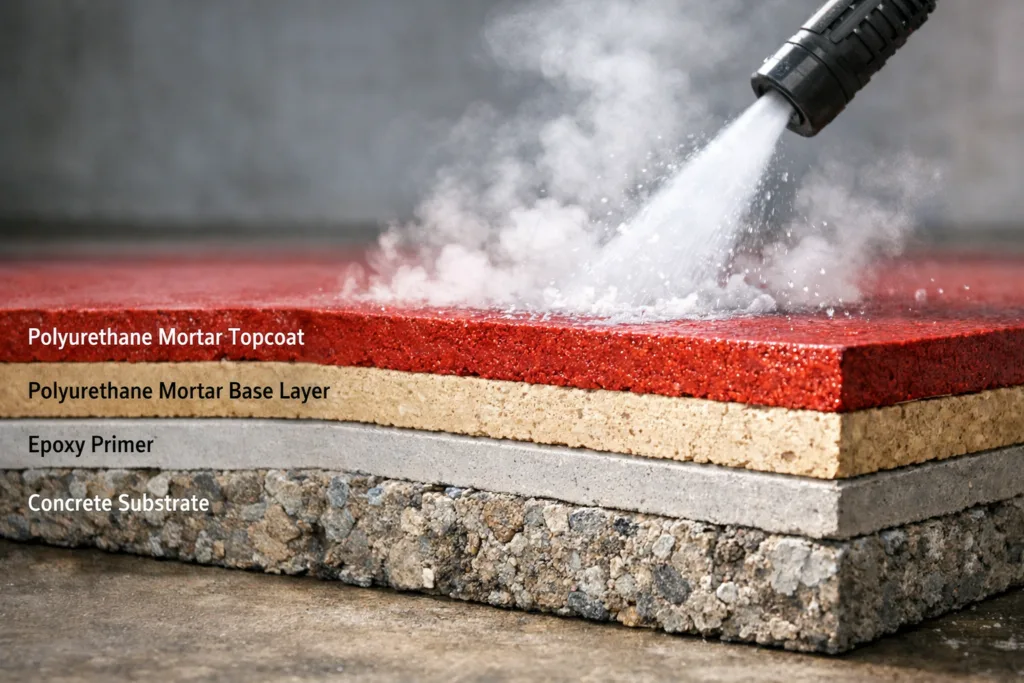
Steam cleaning is a brewery’s standard for sanitation—destroying bacteria, removing organic residues, and ensuring strict hygiene. However, the process rapidly heats flooring surfaces to high temperatures. Any moisture present beneath the surface may expand, and unprepared flooring can spall, delaminate, or bubble. This is why the flooring system’s chemical and thermal resistance is critical to performance longevity in breweries and taprooms.
Polyurethane Mortar: The Gold Standard for Brewery Thermal Shock Resistance
While several flooring options exist, polyurethane mortar stands above the rest for brewery operations. These mortars combine cementitious and polymer components, delivering high compressive strength, elasticity, and the flexibility to absorb thermal shock. Unlike standard epoxy—which may exhibit rigidity and crack under severe temperature swings—polyurethane mortar flexes, preventing damage and protecting substrates. ZDSpoxy’s R&D-driven polyurethane mortar systems feature optimized particle size and binder distribution, balancing flow for easy installation and outstanding field durability.
Comparing Epoxy and Polyurethane Mortar for Breweries
| Feature | Epoxy Flooring | Polyurethane Mortar |
|---|---|---|
| Thermal Shock Resistance | Moderate | Excellent |
| Chemical Resistance | High | Very High |
| Steam Cleaning Tolerance | May crack | Highly tolerant |
| Flexibility | Low to moderate | High |
| Hygiene | Good | Excellent |
| Downtime After Application | 1–3 days | 12–48 hours |
Brewery Flooring: Thermal Shock Resistance for Operational Success
Every brewery and taproom knows downtime equals lost revenue. Floors that fail under thermal shock risk unplanned closures and expensive repairs. Thermal shock resistant flooring absorbs both mechanical and thermal loads, staying seamless and safe—critical for high-traffic brewery paths, packaging lines, wet process areas, and loading zones.
The Role of Substrate Preparation in Achieving True Thermal Shock Resistance
Even the best flooring system needs proper substrate preparation. Clean, dry concrete, free of contaminants (oil, dust), is essential. ZDSpoxy engineers on real job sites have observed that skipping moisture and oil testing frequently leads to premature failure—even for well-formulated polyurethane mortar. Surface profile, proper priming, and mixing discipline help ensure solid adhesion and thermal performance.
Hygiene and Compliance: Why Brewery Owners Value Steam-Cleanable Surfaces
Modern breweries face ever-tightening food safety and hygiene standards. Flooring must clean easily and thoroughly, with no cracks for bacterial growth. Polyurethane mortar’s seamless nature, combined with its resistance to microorganisms and chemicals, makes it a trusted solution for compliance inspectors.
ZDSpoxy’s Experience: Avoiding the Pitfalls in Brewery Flooring Application
ZDSpoxy’s site engineers observe that batch consistency, mix ratio discipline, and application temperature are as critical as product formulation. Mixing too large a batch can accelerate cure, making troweling difficult. Insufficient ventilation during cure may trap moisture, risking adhesion and hygiene issues. Training crews to adjust batch size, verify mixing time, and use the right primer—like ZDS-1012ab primer—prevents costly remediation later.
Key Features of Polyurethane Mortar for Brewery Flooring
- Absorbs intense, rapid temperature changes
- Withstands caustic and acidic cleaning agents
- Seamless finish prevents harboring bacteria
- Highly textured for slip resistance (if needed)
- Fast return-to-service: hardens quickly after install
- Resists physical and impact damage from kegs, tools, and carts
Design Considerations: Slopes, Drains, and Coving
Thermal shock resistance is great, but breweries also demand slip-resistant surfaces, coved wall joints (to prevent dirt build-up), and integrated drainage. Polyurethane mortar floor systems are highly moldable and can be sloped towards drains more reliably than tiles or poured concrete, reducing puddles and cleaning time.
Steam Cleaning Protocols: What Flooring Must Handle
A typical brewery steam cleaning cycle exposes floors to temperatures upwards of 95°C (200°F), often within minutes of cold cleaning. Polyurethane mortar doesn’t lose bond or strength during these cycles—it remains inert, non-reactive, and non-absorbent.
Wear Resistance and Slip Ratings in Brewery Contexts
Brewery floors must offer a long service life and meet recognized slip resistance standards, even when wet. Polyurethane mortar can be custom-finished with aggregate to boost slip resistance while preserving cleanability. See ZDSpoxy’s wear-resistant polyurethane flooring for specific slip-and-wear balancing solutions.
Maintenance Made Simple: Why Polyurethane Mortar Excels
After installation, breweries want flooring that is easy to clean, resists staining, and doesn’t require regular patch repairs. Polyurethane mortar can be cleaned aggressively and supports heavy daily use, all while maintaining its hygienic, seamless surface.
Installation and Curing: Reducing Brewery Downtime
Polyurethane mortar systems cure quickly, with many supporting foot and light wheeled traffic in 12–24 hours, and return to full operation in 24–48 hours. This rapid turnaround is perfect for busy breweries needing minimal downtime.
Durability and Service Life: A Decade of Performance
Properly installed polyurethane mortar flooring can easily exceed a decade of reliable service—even in demanding brewery environments. Thanks to its chemical, thermal, and mechanical resistance, such flooring rarely needs major repair, saving breweries both money and hassle long term.
Cost Analysis: Investment Versus Lifecycle Savings
While polyurethane mortar flooring has a higher upfront cost than plain coatings or tiles, the reduced risk of failure, lower maintenance, and absence of frequent shutdowns yields better cost control over time. Brewery owners find their investment quickly pays for itself in operational resilience.
Sustainability and VOCs: Meeting Environmental Expectations
Many polyurethane mortar formulations offer low-VOC or solvent-free mixes, contributing to safer air quality and easier compliance with local environmental regulations. This aligns with the green values many breweries champion.
Thermal Shock Testing: How Is Performance Measured?
Products are tested by repeatedly cycling them between hot water (or steam) and cold water in a laboratory. Polyurethane mortar maintains bond and surface finish after dozens of cycles, whereas less robust coatings often show cracks, bubbles, or delamination.
Visual Appeal: Customizable Colors and Textures
Polyurethane mortar is available in a variety of colors, aggregate sizes, and textures—an advantage for taprooms wanting a stylish, branded, and welcoming floor that still meets food safety codes. Decorative flakes or smooth trowel finishes are both possible.
Regulatory Compliance for Brewery Flooring
Modern food processing regulations (like FDA and EU standards) demand cleanable, non-porous, and seamless flooring in production and serving areas. Polyurethane mortar makes passing these audits straightforward.
Retrofitting Existing Breweries
Polyurethane mortar can often be installed over existing concrete, tiles, or previously coated floors, provided appropriate preparation is completed. This limits costly demolition and shortens installation schedules.
Choosing the Right System: Thickness and Layering for Your Facility
Flooring thickness varies depending on location: production zones (higher impact/drop risk) may need 6–9 mm, while taprooms may be suited to 3–4 mm. Consult manufacturers or experienced applicators to design a build-up that matches your substrate, exposure levels, and cleaning regime.
Brewery Flooring Solutions by ZDSpoxy
ZDSpoxy continues to supply breweries with custom polyurethane mortar systems engineered for high thermal shock, aggressive cleaning, and unique aesthetic requirements—always with quality-controlled batch consistency and site-proven support.
Practical Checklist: Is Your Brewery Floor Ready for Thermal Shock?
- Does your cleaning protocol involve high-pressure hot water or steam?
- Are you seeing early cracks, chips, or discoloration?
- Are repairs frequent and costly?
- Are you passing food safety and hygiene inspections?
If your answer is ‘no’ to most, it might be time to consider a proven thermal shock solution.
Conclusion: The Smart Choice for Breweries and Taprooms
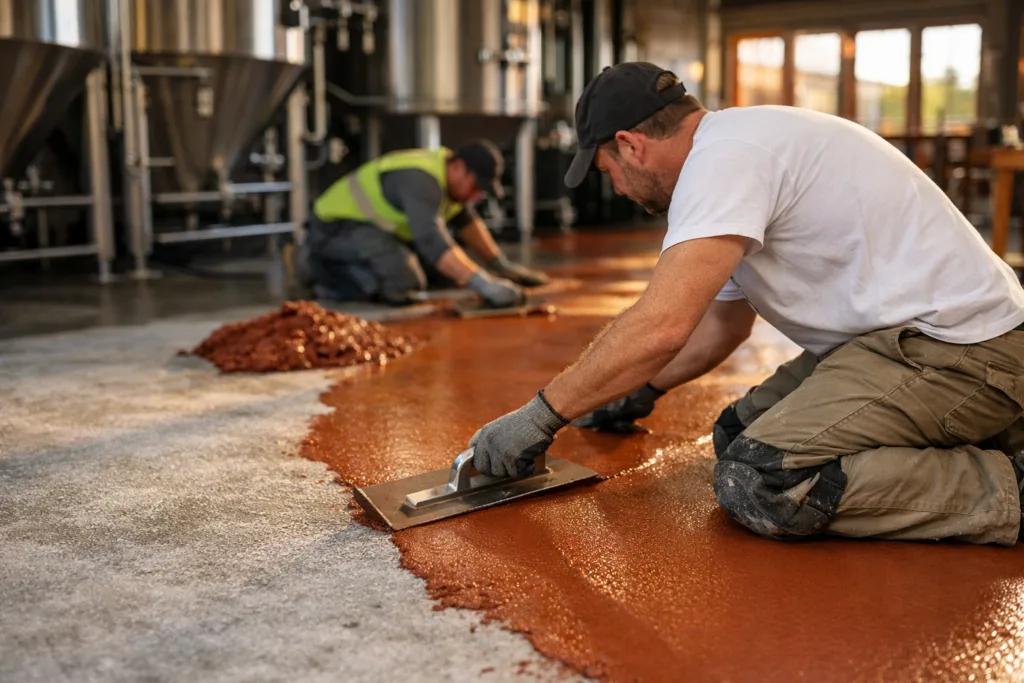
Brewery flooring must withstand relentless abuse from temperature swings, steam cleaning, chemicals, and foot/equipment traffic. Polyurethane mortar—especially from a manufacturer with R&D insight like ZDSpoxy—offers unmatched resistance, hygiene, and return on investment. Upgrading to thermal shock resistant flooring not only protects your operations from costly interruptions, but also maintains the high hygiene standards your brand demands. Investing in the right floor is investing in your brewery’s present and future success.
Frequently Asked Questions
What does thermal shock resistance mean for brewery floors?
It’s the floor’s ability to avoid cracking or failing when quickly exposed to drastic hot and cold changes, such as during steam cleaning or hot liquid spills.
Why is polyurethane mortar preferred over epoxy for breweries?
Polyurethane mortar flexes to absorb rapid thermal expansion and contraction, while epoxy tends to be more rigid and may crack under such stress.
How fast can brewery floors installed with polyurethane mortar be returned to service?
Most polyurethane mortar systems allow foot traffic in 12–24 hours and full operation in 24–48 hours, minimizing brewery downtime.
Are polyurethane mortar floors safe for regular steam cleaning?
Yes, polyurethane mortar floors are designed to handle daily or frequent steam cleaning without degrading or allowing moisture intrusion.
Can polyurethane mortar flooring be matched to taproom aesthetics?
Absolutely, it comes in a range of colors, textures, and finishes—so aesthetics and hygiene performance go hand in hand.
What preparation is needed before installing polyurethane mortar in a brewery?
The concrete must be clean, dry, and properly profiled to ensure strong adhesion and long-term thermal shock resistance; expert installation is recommended.
Related Reading
- Why Switch? Comparing Resin Floors and Tiles for Brewery Environments
- Plan Your 2026 Brewery Budget: Complete Guide to Epoxy Flooring Costs
- Stop Slips: Smart Anti-Slip and Waterproof Solutions for Wet Brewery Areas
- Inside Wear Resistance: How Taber Abrasion Testing Ensures Brewery Floor Longevity
- Upgrade Hygiene: Antimicrobial Resin Flooring for Food and Beverage Plants