
Introduction: Choosing the Right Coating System for Your Boat
Coating a boat isn’t just about making it look good—it’s about long-term performance, protection, and durability against water, sunlight, and harsh chemicals. If you’ve started searching for the best marine coatings, you’ve probably come across the debate: epoxy vs polyurethane marine coatings. Should you use epoxy as a barrier? Polyurethane as a topcoat? Or can you combine both for maximum benefits? In this article, we’ll break down the roles and science behind each, drawing on real-world manufacturing and field experience, and showing where each coating system fits for marine use—especially on decks and UV-exposed areas. We’ll also highlight how a full-system supplier like ZDSpoxy supports compatibility and performance decisions with a range of resin and coating options.
Understanding Epoxy vs Polyurethane Marine Systems
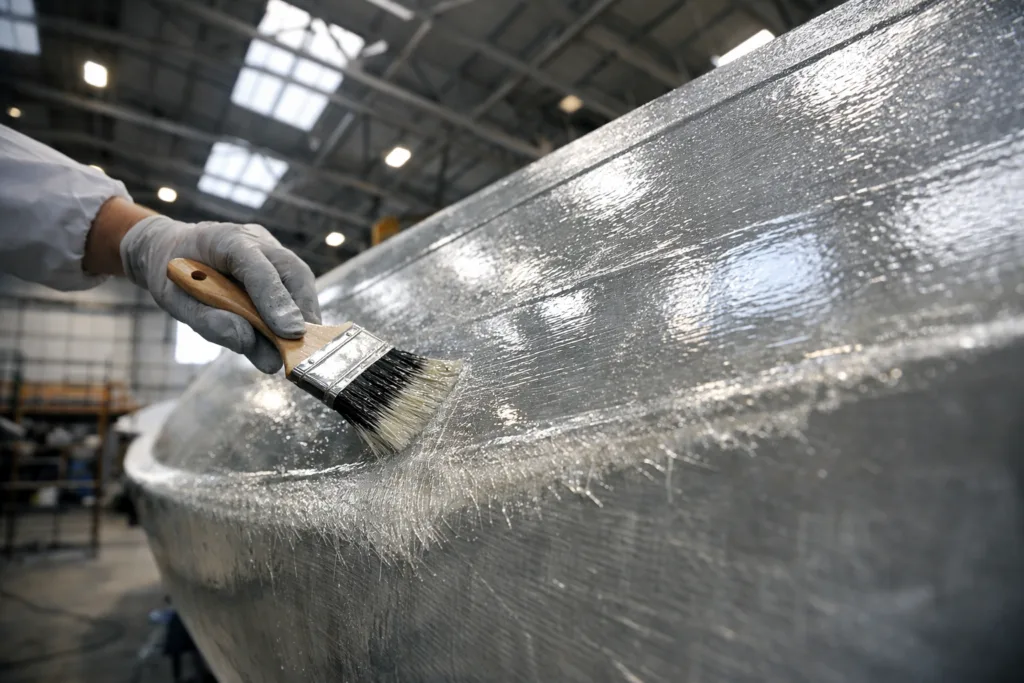
The terms ‘epoxy’ and ‘polyurethane’ are used a lot in the marine world—but not all coatings are created equal. Epoxy is best known as a structural resin and water barrier, while polyurethane shines as a UV-resistant, chemical-resistant topcoat. Let’s explore their roles before diving into specific applications and performance data for boat decks, hulls, and superstructures.
What Is Marine Epoxy? Structural Barrier and Primer
Marine epoxy is a thermosetting resin system made of an epoxy resin and a hardener. When mixed, it cures to form an incredibly tough, adhesive, and waterproof layer. In marine settings, epoxies are primarily used as:
- Structural adhesives (for bonding wood or fiberglass)
- Barrier coats (preventing water ingress and osmosis blisters)
- Primers (creating secure surfaces for further coatings)
Unlike some resins, epoxy does not provide top-level UV resistance. Its best features include strong mechanical properties, high chemical resistance in submerged or wet areas, and excellent adhesion—particularly when applied to prepped and primed surfaces.
What Is Marine Polyurethane? Flexible and UV-Resistant Topcoat
Marine polyurethane (PU) coatings are single- or two-part systems famous for their glossy finish and flexibility. Their primary strengths are:
- Exceptional UV resistance (great for sunlight-exposed decks and superstructures)
- Highly flexible, resisting cracking and chalking from vibration or thermal movement
- Long-lasting gloss and color retention
- Chemical and abrasion resistance
Polyurethane topcoats alone aren’t usually used for structural repair or as moisture barriers—they are best applied over a secure, primed surface. For a primer under PU, manufacturers often recommend an epoxy layer for superior bond strength and protection.
Epoxy vs Polyurethane Marine: Application Roles
The main difference in application comes down to where each type of resin or coating performs best. Here’s an at-a-glance summary:
| Property | Marine Epoxy | Marine Polyurethane |
|---|---|---|
| Barrier to water/osmosis | Excellent | Moderate |
| UV resistance | Poor to moderate (unless modified) | Excellent |
| Structural repairs/bonding | Best fit | Limited |
| Gloss & color retention | Limited | Best fit |
| Chemical resistance | High (alkali and acid) | High (especially solvents, fuels) |
| Flexibility | Low-moderate | High |
| Low VOC options | Common | Available |
Barrier and Structural Use: Why Epoxy is Unmatched Under the Waterline
When your goal is to prevent water intrusion—especially on or below the waterline—marine epoxy remains the gold-standard. Its tight molecular crosslinking resists water and chemical migration, making it ideal for:
- Sealing fiberglass hulls (osmotic blister protection)
- Wood rot repair (penetrating consolidants and fillers)
- Adhesion layer for other coatings or repairs
This is why professional systems often begin with a dedicated marine epoxy barrier primer or repair filler. In fact, products like ZDS-2060AB primer are used specifically for structural reinforcement without introducing VOC hazards—making them a preferred choice in confined or ventilated marine spaces.
Topcoat Durability: Polyurethane’s Role in UV and Aesthetic Protection
Epoxy can be strong, but it lacks the UV stability and visual appeal needed for exterior decks and superstructures exposed to relentless sun. Polyurethane fills this role, providing:
- Glossy, long-lasting finishes for deck surfaces and railings
- Protection from yellowing, chalking, or fading
- Slip-resistant topcoat options with texture additives
If you’re aiming for resilience and beauty on walkable or visible boat surfaces, a quality marine polyurethane topcoat is the industry standard—especially when layered over a proven epoxy primer system.
Chemical Resistance: Comparing Harsh Environment Performance
Boats face exposure to saltwater, cleaning chemicals, oils, and fuel spills. Epoxy systems offer outstanding resistance to alkalis, acids, and most contaminants below the waterline or in bilge areas. Polyurethanes, on the other hand, excel in resisting solvents and UV-induced degradation—making them the coating of choice for topside decks, where sunscreens, fuel, and other contaminants can challenge surfaces.
How VOCs Affect Marine Coating Selection
Volatile Organic Compounds (VOCs) are harmful emissions released during resin curing. Many coastal regulations (especially in enclosed boatsheds or marinas) require low-VOC products for both safety and compliance. Both epoxies and polyurethanes are available in low-VOC or solvent-free options, but application environments and cure times differ. If you need a rapid, low-odor repair for wood or a safe priming coat for internal spaces, solutions like ZDS-1240 epoxy fillers offer both compliance and convenience.
Deck Coating Systems: Combining Epoxy and Polyurethane for Lasting Results
The highest performing marine deck coating systems almost always pair these two chemistries. The recommended sequence:
- Epoxy primer/barrier coat: For adhesion and moisture protection
- Polyurethane topcoat: For UV resistance, gloss, and abrasion protection
This makes sure the underlying substrate is sealed from water, while the surface resists sunlight and wear. Full-system suppliers such as ZDSpoxy thoroughly test and refine product compatibility—helping prevent common failures like delamination or premature chalking.
On-Site Observations: Real-World Factors Impacting Performance
Even with quality materials, jobsite realities affect coating success. Factors such as substrate moisture, ambient conditions, mixing ratios, and surface prep play outsized roles. For instance, neglecting to follow manufacturer mixing instructions can cause incomplete cures (soft spots) or exothermic heat build-up—especially relevant for large area applications. Brands like ZDSpoxy emphasize batch size tracking, accurate weighing, and surface dew point checks in quality control procedures, directly reducing risk of failure in marine coating applications.
Typical Failure Modes: What Can Go Wrong?
Knowing where epoxy vs polyurethane marine coatings can fail helps in prevention:
- Poor adhesion due to dusty or oily substrates
- Pinholes or blisters from trapped air, moisture, or incompatible primers
- Yellowing/chalking of epoxy topcoats if left UV-exposed
- Cracking of polyurethane over unstable or improperly primed surfaces
Field experience and thorough system testing are key for reliable performance—don’t skip primer compatibility checks!
Why System Compatibility Matters
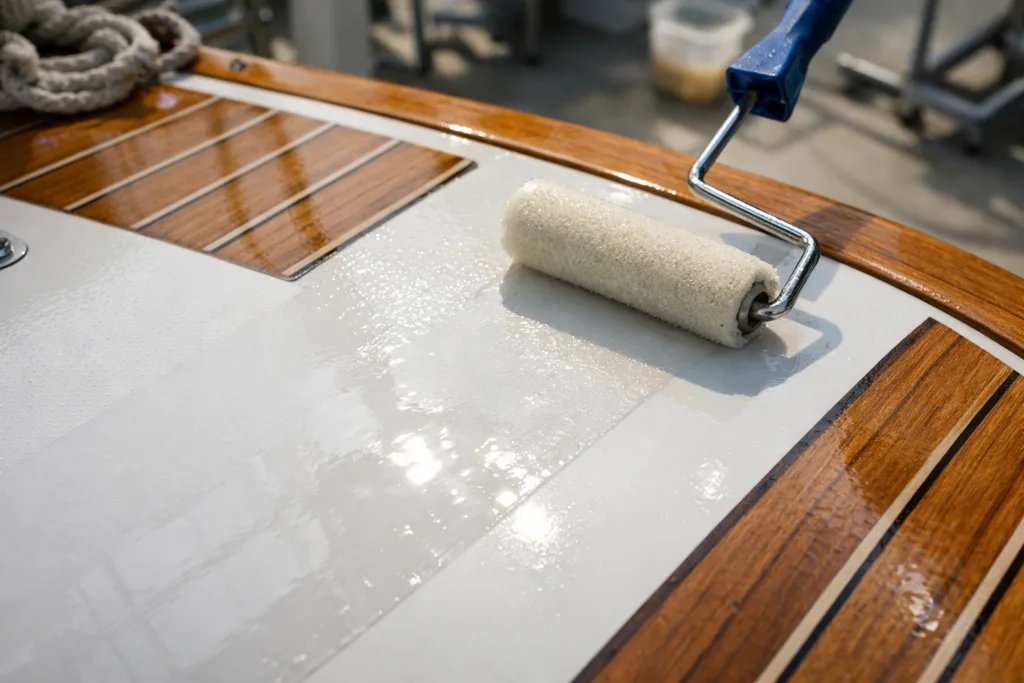
Mixing definitions (e.g., using polyester over epoxy, or a non-compatible primer/topcoat) risks future delamination and wasted time/money. A trusted supplier will always provide full-system testing and technical data, not just products. For more on this, see our Marine Epoxy Resin Manufacturer pillar for guidance on selecting compatible marine systems.
Qualities to Look for in Marine Coating Products
- Detailed datasheets covering working/cure times, chemical and UV resistance
- Fresh batch indicators (viscosity control, gel time tests, documented QC checks)
- Clear mixing instructions and safe handling warnings
- Proven compatibility between resin, filler, primer, and topcoat
Climate and Environmental Effects
Substrate temperature, humidity, and application timing make a huge difference in marine jobs. Applying epoxy or polyurethane below recommended temperatures (often below 10°C/50°F) can lead to extended cure times, amine blush, or surface defects. High humidity may trap moisture, risking future blisters—especially under clear polyurethane finishes. Always check local weather and follow the manufacturer’s guidelines closely.
Low-VOC and Eco-Responsible Marine Coatings
For environmentally sensitive marina or shipyard settings, select systems with documented low-VOC (<50g/L) or zero solvent content, and request a technical datasheet for confirmation. These coatings are especially valuable in confined bilge areas, cabin interiors, or during off-season repair campaigns—preserving air quality without sacrificing strength or durability.
Mixing, Batch Control, and Application Tips
Proper mixing and batch control are often overlooked but critical for the performance of both epoxies and polyurethanes. Use precision scales, clean mixing tools, and mix materials thoroughly (especially at corners and base of the container). Always mix only what you can apply within pot life—the open working period before the resin starts to gel. Large batches can overheat and waste material, especially in warm climates.
Storage, Transport, and Shelf Life Considerations
Store resin and hardener/activators in cool, dry areas—never exposed to direct sunlight or freezing temperatures. Polyurethanes are especially sensitive to moisture contamination (which can cause foaming or cloudiness in the finish). Keep original packaging sealed and check manufacture/best-before dates before use.
Prepping for Success: Surface Preparation in Marine Applications
Regardless of chemistry, success starts with surface preparation. For both epoxy and polyurethane, surfaces must be clean, dry, and free from salt, grease, or previous finishes. Common industry best practices include solvent wiping, sanding to recommended roughness, vacuuming, and tack-rag removal. Some jobs may require a specialized bonding primer, especially on aluminum or stainless-steel surfaces.
Why DIYers Shouldn’t Skip Full-System Approaches
Some boat owners are tempted to cut corners—using off-the-shelf household paints or mixing resin systems. The risk: unpredictable adhesion and a short-lived finish. Full-system marine resin and coating lines (like those developed by ZDSpoxy) are tested for compatibility, coverage, and cure. Rely on tested systems, not random combinations, for repairs and upgrades that last season after season.
Case Study: Deck Repair and Recoating Process
Let’s look at the typical workflow for refinishing a sun-exposed marine deck:
- Sanding and cleaning: Remove old coatings, degrease, and ensure dry surfaces
- Epoxy primer application: Fill pores and ensure a water-tight barrier
- Fairing or gap filling: Use an epoxy-based filler (like ZDS-1240) for cracks and joints
- Light sanding: Key the epoxy surface for topcoat adhesion
- Polyurethane topcoat: Apply 2–3 coats, adding slip-resistant aggregate as needed
This full-system approach delivers both strength (from the epoxy) and sun-safe beauty (from the PU topcoat).
Comparing Epoxy, Polyurethane, and Hybrid Coating Options
Some advanced coatings blend epoxy and polyurethane chemistries for “hybrid” properties. These offer improved intercoat adhesion and may provide a balance between flexibility and mechanical strength. For most boaters, though, the classic layered system (epoxy barrier + PU topcoat) remains the simplest and most reliable approach for deck coatings and UV hazard zones.
Recommended Applications for Each Chemistry
- Epoxy: Hull barrier coats (below waterline), repair and fairing of wood/fiberglass, as a primer under other coatings
- Polyurethane: Decks, topsides, superstructures, rails, and anywhere with daily sun exposure
- Both (as a system): High-traffic, high-UV marine decks and platforms
Best Practices for Longevity and Safety
- Work in batches sized for your experience and weather conditions
- Use recommended PPE: gloves, respirators, eye protection
- Ensure ventilation, especially with solvent-based options
- Document each application layer—surface prep, primer, intermediate, and finish coats (for warranty and repairs)
Summary Table: Key Marine Coating Properties
| Category | Epoxy | Polyurethane |
|---|---|---|
| Primary Function | Barrier, adhesive, primer | Topcoat, UV/chemical protection |
| Surface Application | Below waterline, repairs | Above waterline, decks |
| Mixing Ratio | Strict (usually 2:1 or 4:1) | Can vary (check datasheet) |
| Pot Life | Short to moderate | Moderate |
| VOC Content | Often low or zero | Low-VOC available |
Epoxy vs Polyurethane Marine: The Expert Consensus
Both chemistries are essential in boat coating—but they’re not interchangeable. Epoxy provides structure and water resistance. Polyurethane delivers UV protection and a beautiful finish. Combined, they offer the highest durability, chemical resistance, and safety in marine environments.
Conclusion: Making the Right Choice for Your Marine Project
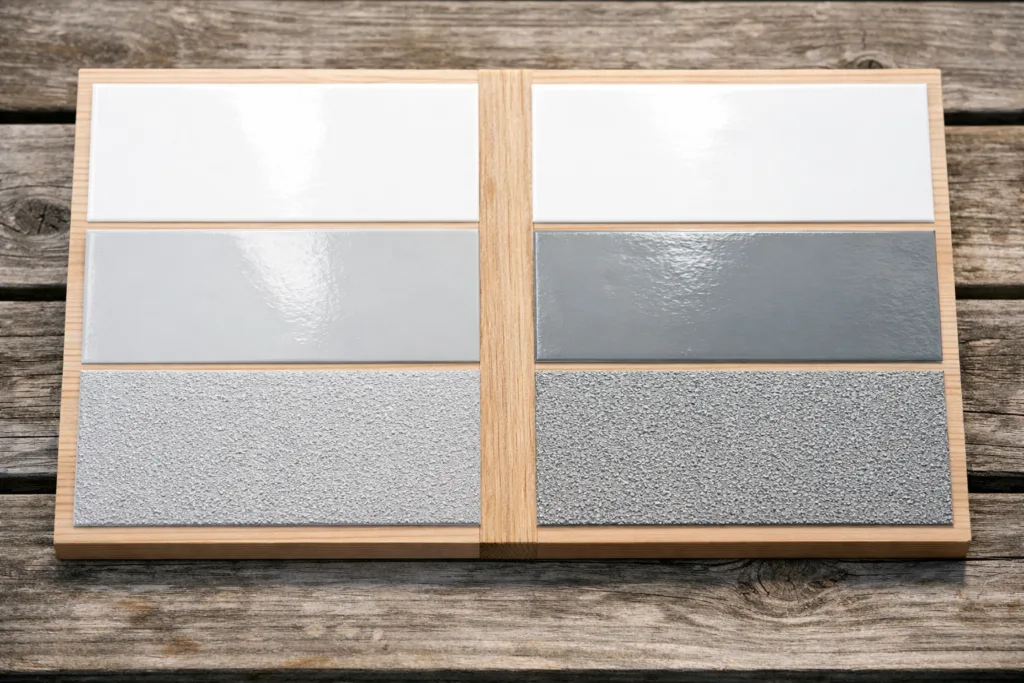
Choosing between epoxy vs polyurethane marine coatings is all about understanding each one’s strengths—and where they fit best on your boat. For water barriers, repairs, and primers, trust epoxy-based products. For glossy, UV-durable finishes, go with polyurethane topcoats. Above all, rely on proven, full-system solutions backed by real compatibility testing to avoid costly failures. With these principles, your deck, hull, or superstructure will stay functional and attractive through harsh sun, salt, and heavy use for years to come.
Frequently Asked Questions
Can I just use polyurethane without an epoxy primer on my boat deck?
It’s not recommended for long-term durability. Polyurethane needs a secure, sealed substrate—epoxy primer prevents water ingress and improves adhesion, reducing the risk of delamination.
Will marine epoxy yellow if exposed to sunlight?
Standard epoxies are prone to yellowing and chalking under UV light. Always topcoat with a UV-stabilized polyurethane for any surfaces receiving direct sun.
Are there eco-friendly, low-VOC options for both epoxy and polyurethane?
Yes. Many marine epoxies and polyurethanes now offer low-VOC or solvent-free formulations to protect air quality and meet marina safety requirements.
How do I know if a polyurethane topcoat is compatible with my chosen epoxy primer?
Stick with full-system solutions from one manufacturer, and always check datasheets for cure/overcoat windows and chemical compatibility. See our Marine Epoxy Resin Manufacturer guide for details.
Why does my deck coating develop bubbles or blisters?
This is often due to trapped moisture, poor mixing, or applying over unsound surfaces. Proper prep, batch mixing, and humidity checks are vital.
Can I repair wood rot with polyurethane filler instead of epoxy?
No—epoxy fillers are much better for structural wood repairs due to their strength, adhesion, and moisture barrier properties. Polyurethane should be reserved for topcoats and flexible surfaces.
Related Reading
- Budget Battles: Marine Epoxy vs Polyester—Which Lasts Underwater?
- Long-Term Clarity: Demystifying UV Resistance in Modern Epoxy Coatings
- Ultimate Guide: Selecting Durable Marine Epoxy Resin for Repairs
- Discover What Really Matters in Epoxy for Fiberglass Boat Repairs
- Step-by-Step: How to Pick Marine Epoxy Resin for Top Results