
Introduction: Defining Heavy Duty Grouting for Ball Mills and SAG Mills
In the world of mining and heavy process industries, ball mills and Semi-Autogenous Grinding (SAG) mills are the backbone of ore comminution. To ensure their reliable operation, heavy duty grouting forms the foundation—literally—by stabilizing, leveling, and securely anchoring mill machinery. Grouting for ball mills and SAG mills must withstand extreme vibration, dynamic loads, and harsh chemical environments. In this guide, we’ll unravel the unique demands of this critical engineering task, break down the best materials and methods, and share practical field insights so you avoid costly failures and downtime.
Why Grouting Is Critical in Ball Mills and SAG Mills
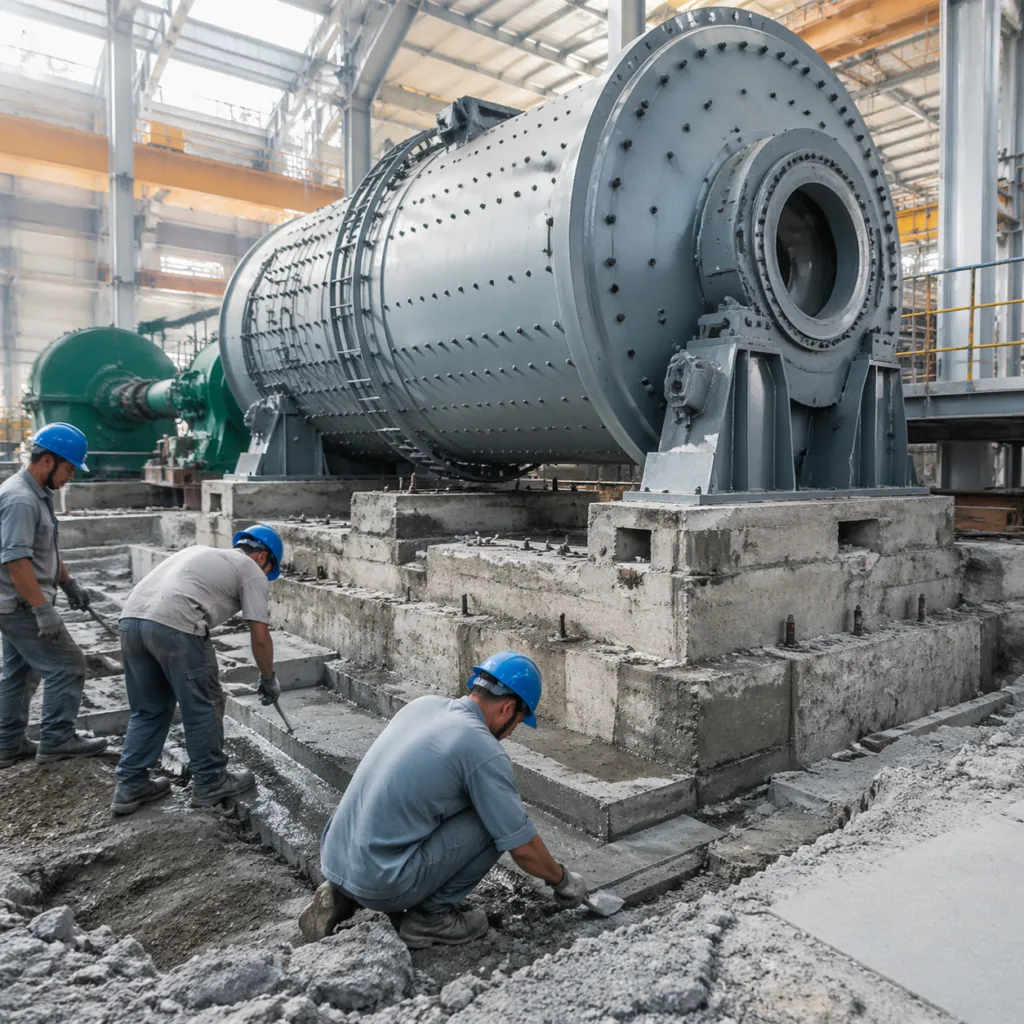
Proper grouting is far more than a technicality—it’s a make-or-break factor in mill performance. A well-executed grout acts as a load transfer medium, minimizing differential settlement, dampening vibrations, and preserving alignment throughout the equipment’s lifespan. For large rotating machinery, even a millimeter of misalignment caused by grout failure could lead to excessive wear, production losses, or catastrophic bearing failures. Heavy duty grouting for ball mills and SAG mills addresses these high-stakes realities head-on.
How Heavy Duty Grouting Works for Ball Mills and SAG Mills
At its core, grouting for large mills involves pouring, injecting, or pumping a flowable material between the mill baseplate and the foundation. This material must fill every void, bond effectively to both concrete and steel, and cure to deliver exceptional compressive strength and shrinkage control. The process typically includes surface preparation, formwork, precise placement, air release, and controlled curing—each step demanding engineering discipline and quality control. Using a volume calculator for accurate grout estimation can minimize waste and ensure complete coverage.
Types of Grouting Materials Used in Heavy Duty Applications
Not all grouts are equal. Materials engineered for heavy machinery include:
- Epoxy grouts—superior chemical and vibration resistance, high compressive strength, low shrinkage. Ideal for dynamic loads and rapid commissioning.
- Cementitious grouts—cost-effective for static loads but less resilient against vibration and shocks.
- Polyurethane and polyaspartic grouts—specialty uses (fast setting, flexible for certain expansion joints).
ZDSpoxy frequently supplies ZDS-4130AB high compressive epoxy grout for demanding crusher and mill installations due to its proven reliability in challenging environments.
Performance Properties: What Sets Heavy Duty Grouting Materials Apart?
Heavy duty grouting demands outstanding physical properties:
- Compressive strength—often exceeding 90 MPa to handle extreme loads.
- Chemical resistance—withstanding spills, coolants, lubricants, and process chemicals.
- Flowability—ensuring complete placement even under large baseplates or deep fills.
- Low shrinkage and creep—to prevent de-bonding or movement under dynamic conditions.
- Thermal stability—maintaining integrity as temperatures fluctuate during mill operation.
Preparation: Foundation Assessment and Surface Readiness
Quality grouting starts with the foundation. Surfaces must be sound, clean, and free of oil or old grout residue. Any cracks or oil contamination should be addressed using specialized repair methods such as oil-soaked concrete crack repair products. Surface moisture and temperature are also checked, as they can influence grout bond and cure rate. Air and concrete temperature should typically be between 10 – 30°C for best results (unless using low-temperature grouts).
Choosing the Right Grout for Ball Mills and SAG Mills
Selection depends on several site-specific demands:
- Vibration intensity and load cycling
- Grout thickness (deeper pours favor epoxy)
- Exposure to chemicals (some cementitious grouts deteriorate)
- Speed of installation or shutdown constraints
- Operating temperature—high-performance epoxies handle extreme heat
Consult technical data sheets and talk with materials engineers to match the grout specification with your operational realities.
Application Methods: Pouring, Pumping, and Placement Techniques
The method for placing heavy duty grout varies by site and baseplate design. For mill installations:
- Gravity pouring—common for shallow pours or small gaps
- Pumping—essential for tight, deep, or long pours under large mills
- Injection—targets voids or repair scenarios
Formwork must be rigid and leak-tight. Chokefree placement (avoiding air pockets) is critical. Vibratory tools or manual rodding can help the grout flow fully.
Mixing and Batch Control for Reliable Results
Precise mixing is non-negotiable—wrong ratios or uneven blending can sabotage the cure and performance. Smaller batches reduce heat buildup in epoxies. Use slow-speed drills with spiral paddles. Keep detailed batch records, and never extend working time with added solvents or water. Mastering the right mix ensures the heavy duty grouting for ball mills and SAG mills delivers its rated strength every time.
Controlling Exotherm and Curing Time
Epoxy grout exotherm (heat produced during curing) can become a problem in thick pours, leading to cracking or incomplete cure. Professional teams use ice baths for mix containers, stage pours, or select specialty products for thick-bed applications. Always follow manufacturer cure time recommendations—full performance may take 24–48 hours even with fast-curing epoxies.
Case Study: Avoiding Grout Failure in SAG Mill Installations
In one project, improper surface preparation and uncontrolled environmental moisture led to bond failures and rapid grout cracking beneath a SAG mill. Retrofitting required removing failed grout, repairing the foundation, and re-installing with a chemical-resistant epoxy grout, restoring mill alignment and minimizing downtime. This scenario underscores how heavy duty grouting for ball mills and SAG mills is about details and discipline at every step.
Dealing with Common Challenges: Vibration, Thermal Cycling, and Chemical Attack
High vibration can gradually break down low-quality grout, resulting in gaps and potential machinery misalignment. Chemicals can degrade unprotected concrete, while thermal expansion and contraction put bond lines to the test. The right grout selection, combined with expert placement, prevents these issues from turning into expensive repairs.
Inspection and Quality Assurance During and After Grouting
Quality checks include:
- Pre-placement dry runs
- Visual inspection for complete fill and air release
- Compressive strength sampling (as per ASTM/ISO methods)
- Thermal monitoring during cure
- Alignment checks before and after grout hardening
Thorough documentation supports ongoing reliability and future maintenance planning.
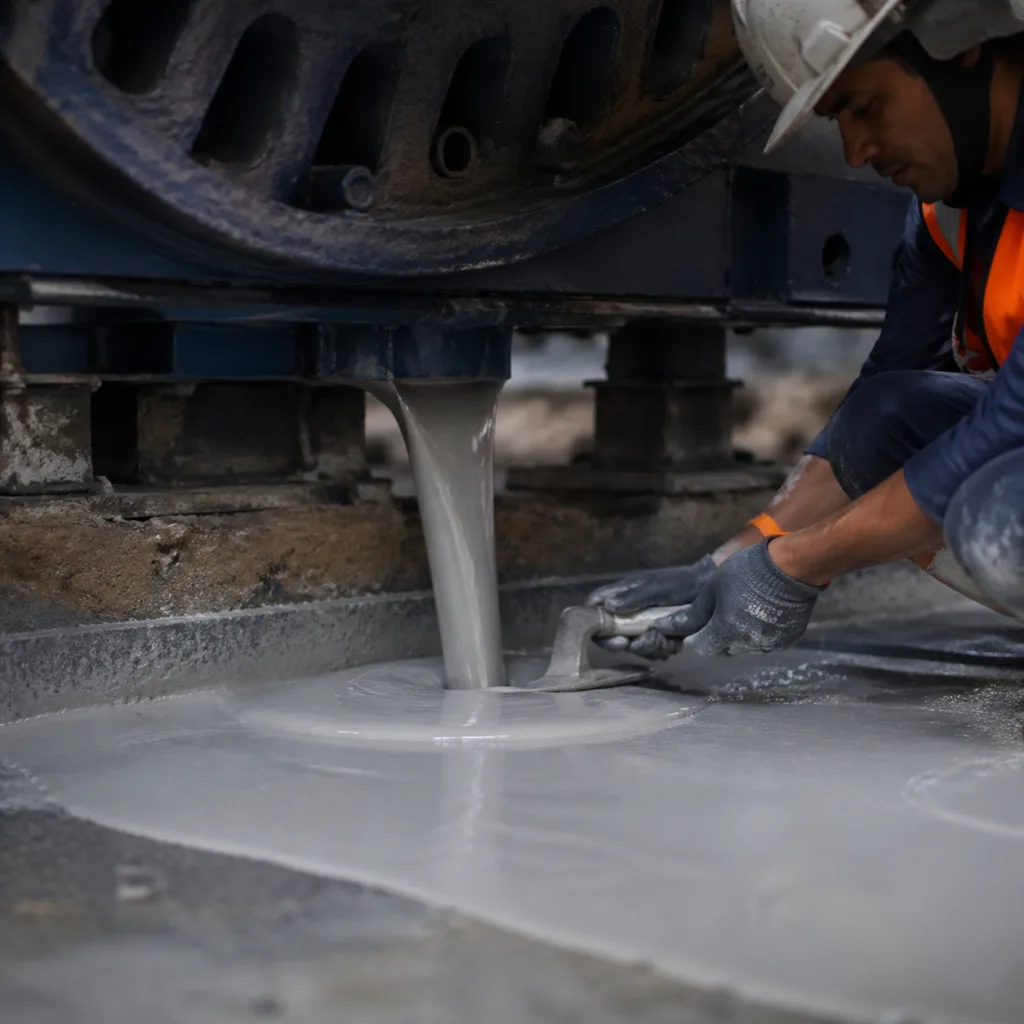
Heavy Duty Grouting: Key Differences for Ball Mills vs SAG Mills
Though both require robust solutions, SAG mills (due to their larger size and higher dynamic loads) may require thicker grout beds, higher compressive strength, and more advanced flow control additives. Ball mills, while lighter, often have more frequent maintenance—making access for repair grouting important. Both settings demand material consistency, but operational intensity sets the grouting bar even higher for SAG mills.
Best Practices for Optimal Longevity and Performance
Industry lessons for lasting success:
- Never skip surface cleaning, degreasing, or profile preparation
- Seal formwork against leaks—epoxy can seep through pinholes
- Control ambient and substrate temperature for consistent cure
- Follow full cure time before loading equipment
- Pair grout selection with environmental threat analysis (chemicals, temperature, water)
Expert Insights: ZDSpoxy’s Approach to Field Challenges
On high-volume job sites, ZDSpoxy engineers emphasize a disciplined approach to mixing—using weighed ratios, clean containers, and immediate transfer to application. Batch codes and QC tests for viscosity and gel time ensure traceability. Real-world crews encounter accelerated working time (pot life) during hot weather or large batch mixing; splitting pours and pre-chilling products can mitigate risks. Reliable grouting isn’t just a product—it’s a process honed on site.
Material Testing: Compressive Strength, Shrinkage, and Bond
Testing is not optional. Each lot should be tested for compressive strength (often exceeding 100 MPa for high-performance epoxy), bond strength to steel and concrete, and volume change (shrinkage/expansion). Well-documented results underpin warranty and operational safety for mill foundations.
Environmental Safety and Handling Protocols
Heavy duty grouts, especially epoxies, may have VOCs or require PPE. Ensure adequate ventilation during pouring and curing, and consult datasheets for skin contact precautions. Clean-up should be immediate with approved solvents. Store materials in a temperature-controlled, dry location—extreme heat or cold can affect shelf life and stored product quality.
Common Missteps and How to Avoid Them
Learning from the field, the most frequent errors are:
- Inadequate formwork leading to leaks or under-fill
- Improper mixing or off-ratio batch blending
- Poor surface prep, causing premature debonding
- Not accounting for jobsite temperature or moisture
- Missing critical inspection steps during placement
Address these issues on every project for maximum reliability.
Heavy Duty Grouting for Ball Mills and SAG Mills: Full Section Overview
To sum up, heavy duty grouting for ball mills and SAG mills means pairing engineered materials—like high compressive strength epoxy grout—with meticulous installation. From foundation prep to methodical placing, every step matters. Learn from both datasheets and real jobsite experience to meet the demands of modern mining operations.
Comparison Table: Epoxy vs Cementitious Grout for Mill Foundations
| Property | Epoxy Grout | Cementitious Grout |
|---|---|---|
| Compressive Strength (MPa) | 90–120 | 40–80 |
| Chemical Resistance | Excellent | Poor–Moderate |
| Dynamic Load Tolerance | Outstanding | Moderate |
| Flow Characteristics | High, adjustable by mix | Varies, lower in thick sections |
| Cure Time (Load Ready) | 24–48 hours | 48–96 hours |
| Cost | Higher | Lower |
Industry Trends: Advanced Grouting Technologies
Materials innovation is introducing nanomodified, fiber-reinforced, and hybrid grout systems, pushing performance higher. Digital monitoring of grout condition and predictive maintenance tools are being integrated in modern mining plants, reflecting the shift to smarter, more resilient infrastructure.
Maintenance and Long-Term Monitoring
Don’t “set and forget.” Routine inspection—using both visual checks and vibration analysis—can spot grout deterioration or movement. Early repair minimizes production risk and extends mill lifespan. Leverage modern technologies for non-destructive inspection—thermal imaging, ultrasonic testing, or moisture meters—to track foundation health over time.
Future Directions in Heavy Duty Grouting
Expect continued advances in engineered grout chemistries—fast curing, ultra-high strength, and eco-friendly formulations. Enhanced digital installation records and real-time curing sensors are on the horizon, boosting precision and traceability for every heavy duty grouting job supporting ball mills and SAG mills.
Conclusion: Building Long-Term Reliability with Heavy Duty Grouting for Ball Mills and SAG Mills

Quality heavy duty grouting for ball mills and SAG mills is your insurance policy for uptime, safety, and mill longevity. With the right material selected for site demands, disciplined installation, and ongoing inspection, you’ll overcome vibration, temperature extremes, and mechanical stresses—making mill foundations as robust as the machines they support.
Frequently Asked Questions
What is the best type of grout for ball mills and SAG mills?
High compressive strength epoxy grout is preferred, as it resists heavy loads, vibration, and chemical exposure common in mining mill operations.
How long does it take for heavy duty grout to cure for mill commissioning?
Epoxy grouts typically reach full strength in 24–48 hours, while cement-based options may require up to 96 hours before loading.
How can I calculate the amount of grout needed for a large mill base?
Use an epoxy grout volume calculator, accounting for all voids, formwork, and safety margins to avoid underfilling or waste.
How do I know if my existing grout needs replacement?
Inspect for cracks, vibration-induced gaps, or alignment shifts. Routine checks and vibration analysis help spot early failures.
Can I install heavy duty epoxy grout in cold conditions?
Special low-temperature or accelerated-cure grouts exist, but always confirm product suitability and adjust cure expectations accordingly.
Does grout selection affect mill vibration and long-term machine health?
Absolutely. High-quality, properly placed grout dampens vibration, preserves alignment, and extends equipment life versus lower-grade alternatives.
Related Reading
- Turbo-Machinery Grouting: Uncovering Soleplate vs Baseplate Stability
- 7-Step Field Guide for Emergency Grouting During Critical Compressor Shutdown
- How to Solve Vibration Issues: Grouting Reciprocating Compressors
- Top Warning Signs Your Grout Needs a Regrout—and Next Steps
- High-Temperature Equipment Grouting: Engineering Solutions for Demanding Applications