
Introduction: Diagnosing Epoxy Still Tacky Problems
Marine epoxy systems are trusted for their durability, water resistance, and reliable bonding. But if your epoxy still feels tacky after curing, you’re left with a sticky mess — not the seamless, strong surface you expected. This guide unpacks the root causes of tackiness, from incorrect mix ratio to contamination and cure inhibition, and delivers practical, manufacturer-level fixes. Whether you’re repairing boat hulls or sealing deck hardware, understanding why marine epoxy remains tacky is vital for quality results and long-term protection. We’ll show you how to verify mixing ratios, assess temperature effects, and improve your application technique safely. Clear, actionable steps and diagnostic checkpoints — never shortcuts like adding solvent or extra hardener — help you determine when to remediate and when to remove and reapply for lasting performance.
Epoxy Still Tacky; Incorrect Mix Ratio, Low Temperature, Contamination, Under-Mixing, Cure Inhibition, Blush: The Complete Guide
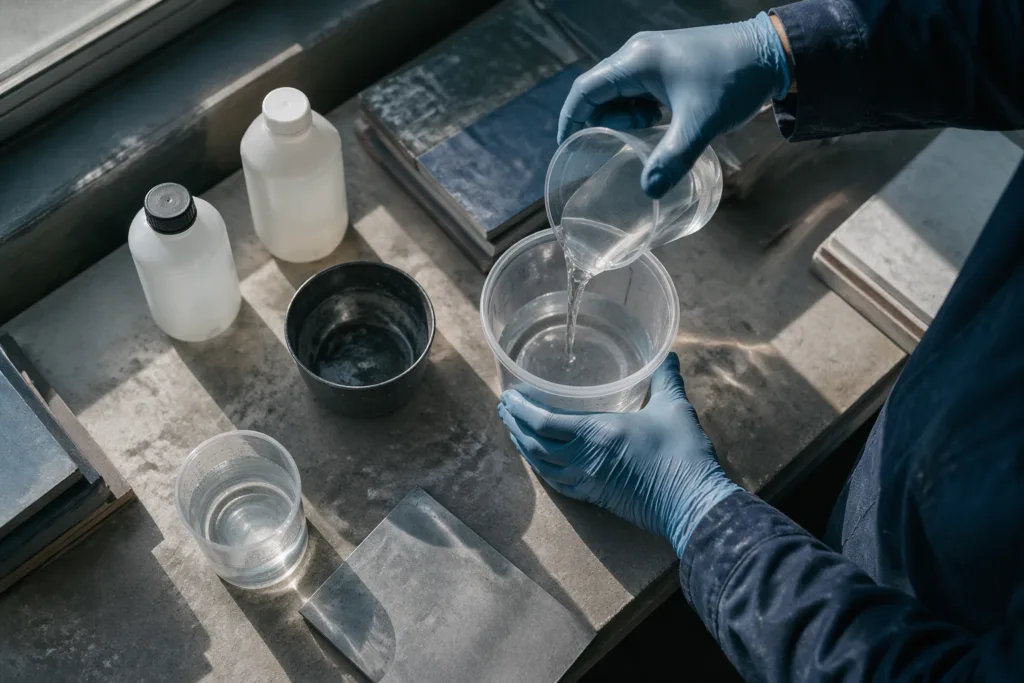
Epoxy tackiness is not just an inconvenience; it’s a red flag for potential adhesion failures, water ingress, and structural weakness. Tackiness usually signals one or more common process errors. We’ll cover each cause in depth, discuss practical diagnosis, and outline corrective steps that align with professional standards for marine epoxy systems.
Marine Epoxy Systems: An Overview of Structure and Curing
Marine epoxy is typically a two-part system consisting of resin and hardener. When combined in the correct ratio and mixed thoroughly, a chemical (exothermic) reaction produces a hard, resilient material. This cure depends on accurate measurement, methodical mixing, substrate preparation, and predictable environment. Problems often arise in field conditions where ratio discipline, temperature fluctuations, or mixing shortcuts compromise the cure.
Key Causes Behind Epoxy Staying Tacky
- Incorrect mix ratio: Too much resin or hardener prevents full reaction.
- Low temperature: Cold slows curing; tackiness persists.
- Contamination: Oil, dust, or moisture on surfaces interfere with binding.
- Under-mixing: Incomplete blending leaves uncured patches.
- Cure inhibition: Substance on substrate blocks reaction (e.g., amine, silicone).
- Blush: Surface amine carbamate collects moisture, causing sticky film.
Incorrect Mix Ratio: How It Sabotages Cure
The most common culprit for marine epoxy staying tacky is incorrect mix ratio. Epoxy systems require precise ratios (“A:B” by weight or volume). Too much resin leaves excess liquid, while too much hardener causes incomplete cross-linking. Never attempt to compensate with extra hardener or add thinner, as this can weaken structural integrity. For ratio accuracy, use calibrated equipment when mixing marine epoxies such as Marine Epoxy Resin Manufacturer products that specify exact proportions for safe, reliable results.
Mix Ratio Diagnosis Checklist
- Re-review product datasheet for recommended ratio (by weight/volume).
- Verify measuring method (digital scale or graduated container).
- Record mix batch details for traceability.
- When ratios are off by more than 10%, removal and reapplication is usually required.
Low Temperature: The Silent Cure Killer
Epoxy curing relies on temperature. Low ambient temperatures (below 15°C/59°F for marine grades) can dramatically slow cross-linking, leaving cured surfaces tacky hours beyond expected times. Always check ambient and substrate temperatures before mixing. Cold conditions may require longer cure windows or specialty low-temp formulations. For guidance, see our article on Applying Coating in Cold and Hot Weather to optimize your worksite approach.
Temperature Troubleshooting Steps
- Measure substrate and air temperature before, during, and after mixing.
- Warm resin containers (not hardener!) in gentle water bath if permissible.
- Never apply epoxy under the recommended minimum temperature.
- Allow extended cure times in cold environments; monitor for tackiness before proceeding.
Contamination: Invisible Threats to Cure
Marine substrates often carry oil, dust, or moisture that interfere with epoxy bond and cure. Even microscopic residues can cause localized tacky patches. ZDSpoxy’s practical field experience shows that solvent wiping (e.g., acetone), clean cloths, and dry environments are essential before applying resin. Always isolate contaminated areas and re-prep substrates thoroughly to restore bond potential.
Surface Prep Best Practices
- Use lint-free rags and approved solvents for cleaning.
- Allow substrates to dry fully after cleaning (avoid condensation).
- Change gloves regularly to prevent handling contamination.
- Sand or grind as needed; vacuum debris before resin application.
Under-Mixing: The Unseen Weakness
Inadequate mixing leaves pockets of uncured resin or hardener, resulting in tacky areas and reduced performance. Use a mechanical mixer or manual stick for minimum 2–3 minutes, scraping sides and bottom. For large batches, ensure batch size doesn’t exceed recommended pot life. Proper mixing is critical when using rapid cure solutions like ZDS-1010AB Rapid Epoxy, where gels quickly and uniform mixing is required.
Cure Inhibition: Chemical Interference
Certain substances block epoxy cure, including amine “blush” residues, silicone-based release agents, and some wood oils (teak, pine pitch). These contaminants prevent cross-linking at the surface, causing sticky, uncured film. Use only compatible primers and cleaners; see the ZDS-2060AB Solvent-Free Rot Repair Wood Primer page for substrate-specific advice and primer guidance before marine epoxy repairs.
Cure Inhibition Diagnosis and Correction
- Inspect for visible residues or glossy patches.
- Perform tape test for surface cure (if tape pulls up sticky, inhibition likely).
- Clean and seal surfaces with compatible primer; avoid silicone or non-epoxy ingredients.
Blush: Recognizing and Managing Amine Surface Film
Blush is a surface phenomenon where amine carbamate (from hardener reacting with CO2 and moisture) forms a sticky film over cured epoxy. This is common in marine environments due to high humidity. Blush isn’t always a cure failure, but it can inhibit bonding and must be removed before top-coating.
Effective Blush Removal Methods
- Wash surface with warm water and mild detergent.
- Dry thoroughly before sanding or recoating.
- Never use solvent for blush removal; solvents can fix blush and worsen bonding problems.
How to Decide: Remediate or Remove & Reapply?
Not all tacky epoxy is unsalvageable. If tackiness is due to surface blush or minor environmental errors and underlying cure is sound (solid gel, no soft pockets), remediation is possible. However, severe ratio error, widespread contamination, or deep cure inhibition requires removal and reapplication. Avoid shortcuts like adding solvent or more hardener; these degrade performance. Use careful mechanical removal and follow proper mix/application instructions.
Decision Table: Tackiness Correction Options
| Cause | Remediate | Remove & Reapply |
|---|---|---|
| Surface blush | Wash off, sand, topcoat | – |
| Minor contamination | Clean, repair localized | – |
| Incorrect mix ratio | – | Must remove |
| Cure inhibition | – | Must remove |
| Pervasive under-mixing | – | Must remove |
| Low temperature | Wait, warm up, monitor | Remove if no cure after 48h |
Safe Removal of Tacky Epoxy
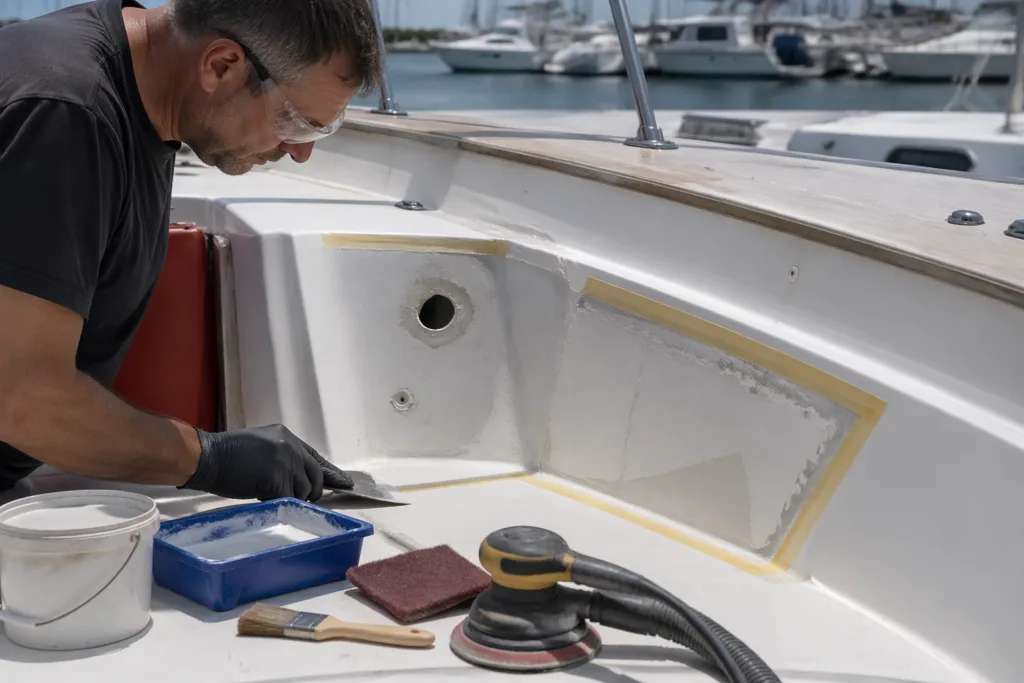
When removal is required, mechanical abrasion (scraper, sander) is safest. Protect surrounding substrates. Wipe up loosened resin with absorbent material; dispose of in accordance with environmental guidance. After removal, re-prep surfaces and restart with fresh batch: follow instructions precisely, confirm ratios, mix time, and substrate safety.
Mix Ratio Discipline: Avoiding Repeat Failures
Resin manufacturers specify precise mix ratios to ensure full cure and structural strength. Use digital scales for weight-based mixes or high-quality graduated containers for volume. Mix only enough for your working time and application area. For more details, the Marine Epoxy Resin Manufacturer pillar provides comprehensive system guidance, including ratio charts, temperature recommendations, and handling tips.
Temperature Control: Ambient and Substrate Tips
Monitor both air and substrate temperatures closely during epoxy curing. Marine environments often fluctuate, so plan for slow cure in cold or damp areas. If local temperature can’t be controlled, use slower curing resins or schedule work during warmer periods. Always check product datasheets for minimum temperatures. Cure failure from cold often looks like sticky or gel-like surfaces that never harden.
Advanced Mixing Techniques: Ensuring Consistent Results
Epoxy mixing must be thorough and consistent. For large marine projects, consider paddle mixers or spiral blades for efficiency. Always scrape the sides and bottom of the vessel. Avoid batch sizes larger than recommended pot life. ZDSpoxy’s R&D labs regularly perform gel time checks to verify batch-to-batch consistency — a practice that can be replicated on-site using small test batches and QC logs.
Substrate Compatibility and Primer Selection
Unusual substrate properties (porosity, oiliness) can block epoxy cure. Use a compatible primer, such as ZDS-2060AB Solvent-Free Rot Repair Wood Primer for wood repair, to ensure proper sealing. Always refer to the primer’s instructions for mixing, application, and re-coat times to avoid inhibition or bond failure.
Blush Prevention: Environmental Strategies
Reduce blush by curing epoxy in low-humidity, well-ventilated areas. Cover surfaces to protect from condensation. If blush appears, clean and sand before further coating. Do not attempt to topcoat directly over blush.
When to Walk Away: Determining Cure, Repair, or Replacement
It takes professional judgment to decide whether to remediate or restart. If tackiness persists for more than 48 hours and underlying cure is suspect (soft, finger indentation), removal and full reapplication is needed. Don’t risk future delamination or water ingress in marine applications.
Common Mistakes That Prolong Tackiness
- Adding extra hardener: Weakens fiber and bond.
- Introducing solvent: Reduces strength, may worsen cure.
- Skipping surface cleaning.
- Estimating ratios by eye.
- Ignoring environmental requirements.
How ZDSpoxy Engineers Prevent Tacky Epoxy
ZDSpoxy’s manufacturing engineers stress ratio discipline, batch size control, substrate prep, and careful gel-time monitoring. These practices, drawn from decades of shipyard and laboratory experience, help crews avoid tacky failures and guarantee repeatable, high-quality marine repairs.
Summary Table: Cause, Effect, Corrective Action
| Cause | Effect | Action |
|---|---|---|
| Incorrect Mix Ratio | Tacky, never hardens | Remove and reapply |
| Low Temperature | Slow cure, tacky | Wait or remove if no progress |
| Contamination | Patches remain tacky | Clean or remove affected spots |
| Under-Mixing | Soft areas, tacky | Remove and restart |
| Cure Inhibition | Sticky surface, poor bond | Remove, seal substrate |
| Blush | Sticky film, bonding issue | Wash off, sand |
Epoxy Still Tacky; Incorrect Mix Ratio, Low Temperature, Contamination, Under-Mixing, Cure Inhibition, Blush
Marine epoxy that stays tacky is a signal to pause, inspect, and correct. Errors in ratio, mixing, temperature, and contamination can be cured by process discipline and substrate prep. For lasting results, follow product datasheets, use calibrated tools, and don’t cut corners. When doubt persists, removal and fresh application ensures integrity.
Conclusion: Practical Takeaways for Trouble-Free Marine Epoxy
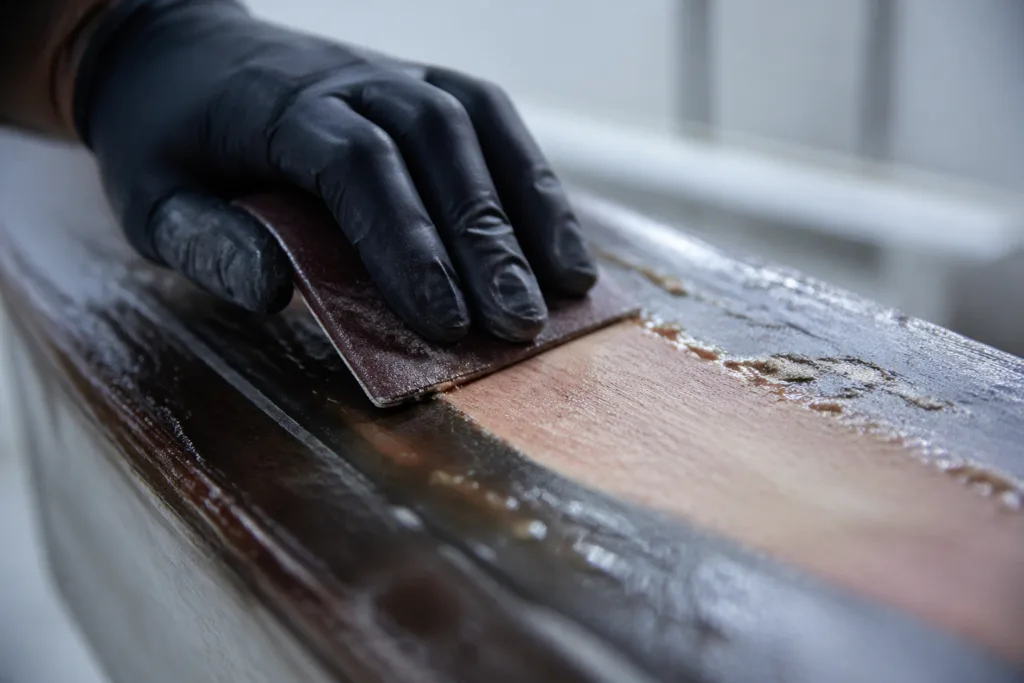
Solving marine epoxy tackiness starts with an accurate diagnosis: incorrect mix ratio, low temperature, contamination, under-mixing, cure inhibition, and blush are the main suspects. Each issue has its own corrective pathway — from cleaning and washing blush to full removal and reapplication after ratio or mixing failures. Reliable results depend on mix ratio discipline, smart environmental control, proper substrate prep, and thorough mixing. By following these practical steps, you can achieve strong, waterproof, and durable marine epoxy bonds every time. When in doubt, remove compromised material and restart using manufacturer guidance and calibrated tools for pain-free, professional repairs.
Frequently Asked Questions
Why does my marine epoxy stay tacky after curing?
Tackiness is most often caused by incorrect mix ratio, insufficient mixing, low temperature, contamination, or chemical inhibition in the substrate. Each cause requires a targeted approach for remediation.
How do I fix epoxy that is still sticky?
If surface blush is the reason and underlying cure is sound, clean with water and detergent. For mix ratio or deep cure failure, remove sticky epoxy mechanically and reapply following precise instructions.
Can I speed up tacky epoxy cure by adding heat?
Gentle warmth can help if low temperature is the issue, but it will not fix incorrect ratios or under-mixing. Always monitor curing before applying additional heat, and avoid overheating which could damage the substrate.
Should I add more hardener if epoxy feels sticky?
No. Adding more hardener will not solve tackiness and can weaken the final material. The correct solution is to remove the affected epoxy and mix a fresh batch at the recommended ratio.
What is amine blush and how do I deal with it?
Amine blush is a sticky surface film from moisture and CO2 reacting with the hardener. Remove it by wiping with water and detergent before sanding or recoating. Never use solvent to remove blush.
When is it necessary to remove and reapply epoxy?
Remove and reapply when tackiness results from incorrect mix ratio, pervasive under-mixing, cure inhibition, or when the epoxy remains soft and sticky past the recommended cure window. Proper surface prep and mix discipline are key before the next application.