
Understanding Coating Cure Time: When Can I Walk on Epoxy?
Epoxy floor coatings have revolutionized the way we protect, beautify, and strengthen surfaces from bathrooms to balconies, warehouses, and industrial plants. However, a major source of confusion is the various stages of “cure time”—and especially, exactly when an area is safe to use, walk on, or put under heavy use. If you’ve just applied an epoxy coating, the question, “When can I walk on epoxy?” is essential for safety, longevity, and success. Let’s dig into the science of cure time, zone-specific recommendations, and practical safety cues for every project area.
What Does “Cure Time” Really Mean?
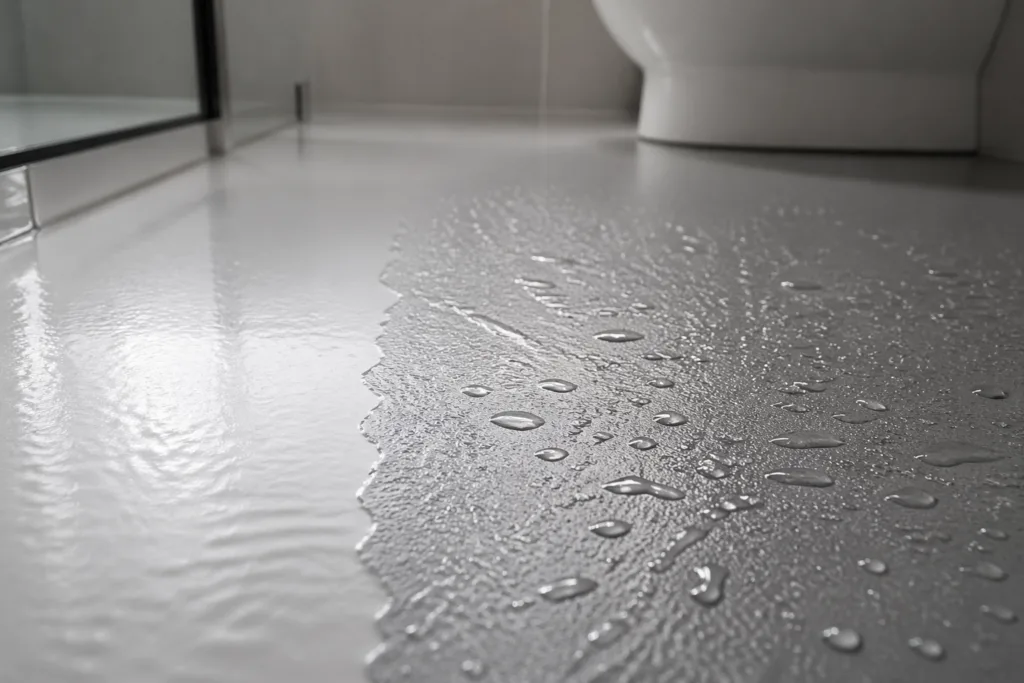
Many think a surface is ready just because it looks dry to the touch. But in resin science, “cure” has many stages. Here’s what actually happens when you coat a surface with epoxy:
- Surface Dry: The top layer is no longer tacky, but the resin is still soft inside.
- Light Foot Traffic (“Walkable”): The coating can be carefully walked on without causing marks or dents, but not loaded or exposed to water yet.
- Full Chemical Cure: The system’s chemical reaction is complete, making it resistant to impact, abrasion, water, and chemicals.
Why “Touch Dry” Isn’t “Ready to Use”
It’s a common mistake: The epoxy looks and feels dry, so you think it’s safe to walk on, wash, or resume heavy activities. In reality, surface dry—often called “表干” (tack-free)—means only that the top layer won’t stick to your hand. Underneath, the resin may be uncured, soft, or vulnerable to indentations, chemicals, or water. This is why manufacturer Technical Data Sheets (TDS) distinguish between touch dry, walkable, and full cure times.
How Coating Cure Time Changes With Environment
Epoxy and polyurethane systems react chemically, not just by drying. This reaction—called crosslinking—relies on temperature and humidity. Warm, dry weather can reduce cure time, while cold or damp conditions slow things down. Never rush the process based on appearance alone.
| Condition | Surface Dry | Walkable | Full Cure |
|---|---|---|---|
| Room Temp (20°C, 60% RH) | 6–12 hours | 24 hours | 5–7 days |
| Cold (<15°C) | 12–24 hours | 36–48 hours | 7–10 days |
| Hot (>30°C) | 4–6 hours | 12–18 hours | 3–5 days |
Coating Cure Time, When Can I Walk on Epoxy
Let’s break down the specific meanings of key stages for coating cure time and what “walkable” really means for each environment:
- Surface Dry: Usually 6–12 hours at 20°C, but not safe for any use.
- Walkable: After ~24 hours, you can usually gently walk on the surface. Soft-soled shoes are advised, and no dragging furniture!
- Ready for Water/Traffic: Only after the full cure (often 5–7 days—or longer in cold), is the floor ready for wet conditions, carts, or mechanical impacts.
Zone-by-Zone Safety Guidance: Bathrooms, Balconies, Warehouses
Bathrooms: When Is It Safe for Shower Use?
For bathrooms, just because the floor is dry doesn’t mean you can turn on the shower. Moisture can disrupt the epoxy’s chemical cure, causing cloudiness, blistering, or reduced bond strength. As a rule:
- Light walk: After 24–36 hours at room temp.
- Shower or water exposure: Only after full cure—at least 5–7 days.
For ultimate durability and waterproofing, combine your system with kitchen bathroom tile waterproofing solutions for layered protection, especially around drains and wall joints.
Balconies & Exterior Areas: When Is It Rain Safe?
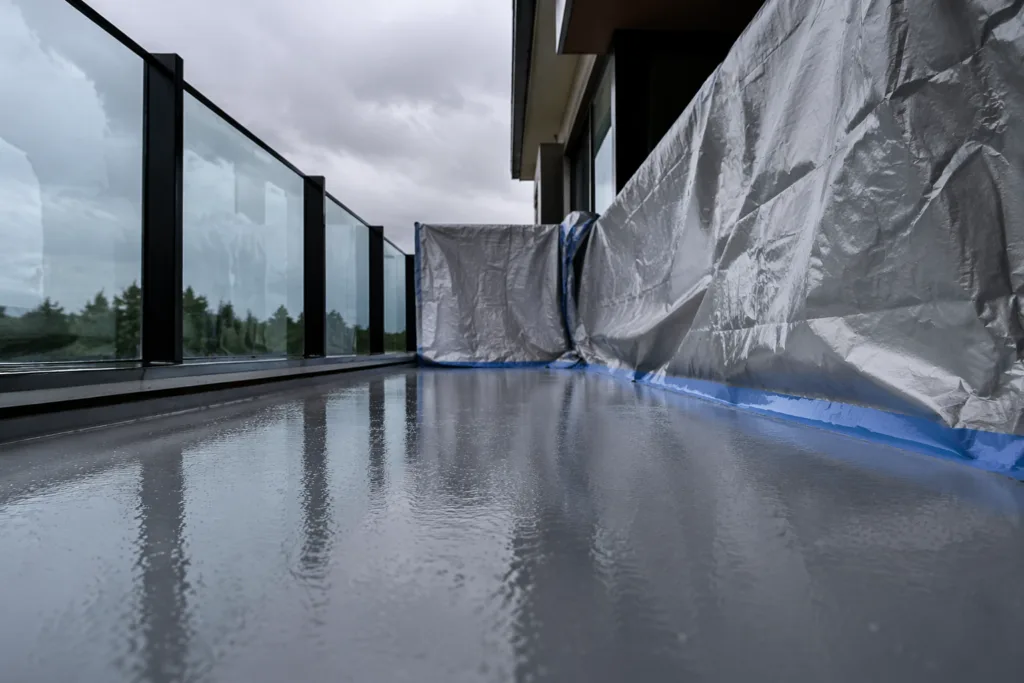
Balconies face unpredictable weather. Soon after coating, even light rain can cause foaming, whitening, or surface erosion. Wait at least 24–48 hours post-coating for light foot traffic but keep the area dry. For bona fide rain resistance and slip control, waterproofing renovation solutions are recommended. Waterproofing renovation solutions offer specialized systems designed to handle exterior exposure and provide clearer cure timelines for demanding climates. Always shield balconies from early rain (use tents, tarps, or temporary roofs) until validated cure time has passed.
Warehouse & Industrial Floors: Heavy Use, Forklifts, and Pallet Jacks
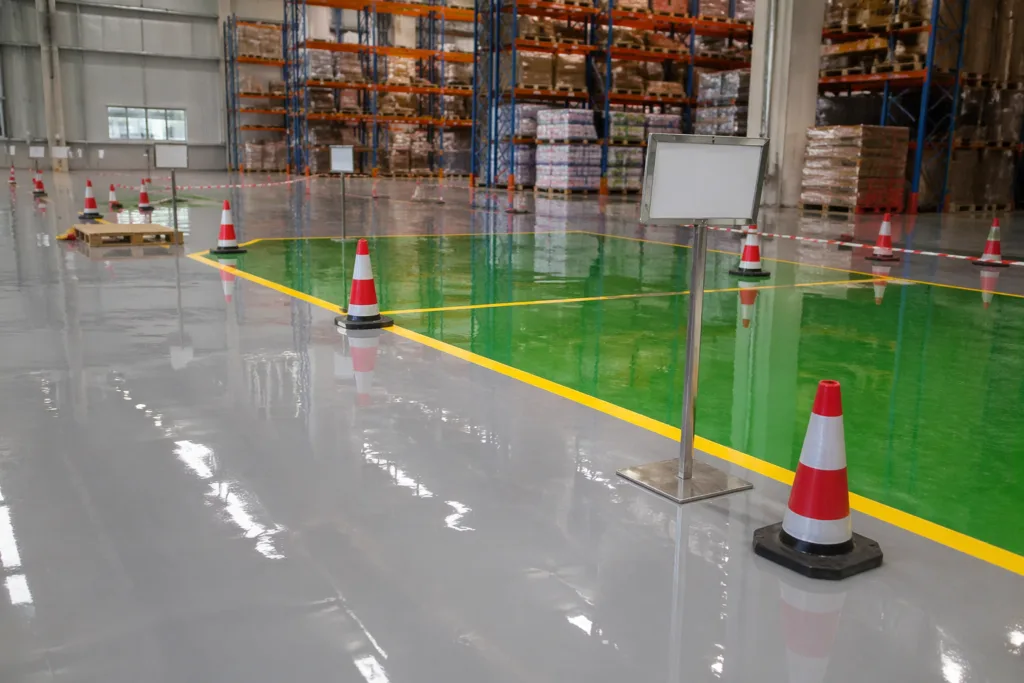
Epoxy-coated industrial floors can face several tons of rolling loads. Even if the floor seems solid after a day or two, the epoxy may not withstand tire pressure, vibration, or dropped tools until fully cured. Typical timelines:
- Light walk: 24 hours
- Pallet jack: 72 hours
- Forklift: 5–7 days (full cure)
To minimize downtime, some rapid-curing systems help speed up return-to-service. For expert recommendations, check out floor renovation coatings specifically engineered for industrial needs.
Common Mistakes: Why Coatings Fail After “Early Use”
- Walking on epoxy while it’s only surface dry causes imprints, streaks, or finish dullness.
- Allowing water contact before full cure (for bathrooms or balconies) leaves you with discoloration or weak bond lines.
- Driving or loading rolling carts too soon compresses, chips, or ruptures the still-soft coating base.
Recommended: Always Consult Technical Data Sheets (TDS)
Though the guidelines above cover most cases, real-world epoxy systems can vary by chemistry, thickness, and temperature. The safest route is always to obtain the latest Technical Data Sheet (TDS) from your coating manufacturer. These documents contain lab-tested cure times for surface dry, walkable, recoat, and fully loaded phases, tailored to the exact material you’re using.
If you’re dealing with specialty projects—like swimming pools—consider exploring swimming pool waterproofing for additional product-specific recommendations on when to refill or reintroduce water.
How Manufacturers Test and Validate Cure Recommendations
Behind every TDS cure time is a scientific process. Lab teams measure hardness, adhesion, and chemical resistance at various intervals, publishing only those times where the coating passes required performance. At ZDSpoxy, for instance, environmental chambers, Taber abrasion testers, and real-site mockups are routinely run to establish a safe return-to-service window.
Factors That Affect Cure Time: Temperature, Humidity, Mix Ratio
Cure time is highly sensitive to three main factors:
- Temperature: Higher heat accelerates curing, but rapid heat may cause exotherm and bubbles.
- Humidity: Excess moisture can cause cloudy, weak, or oily finishes in some epoxies.
- Mix Ratio: Deviations from the specified A:B or resin:hardener ratio drastically change cure speed and final properties. Always follow the recommended procedure.
The Three Milestones of “Cure” Timing
- 表干 (Touch Dry): Safe from dust, but soft below the surface.
- 可走人 (Walkable): Can accept light foot traffic, but no moisture or pressure.
- 可进水/重压 (Water/Load Ready): System is fully crosslinked, resistant to pressure/water/chemicals.
Practical Timeline Table By Area
| Area | Surface Dry | Walkable | Water/Heavy Load |
|---|---|---|---|
| Bathroom | 8–16 hrs | 24–36 hrs | 5–7 days |
| Balcony | 6–12 hrs | 24–48 hrs | 5–7 days (rain safe) |
| Warehouse Floor | 6–12 hrs | 24 hrs | 5–7 days (forklift/jack) |
| Pool | 12–24 hrs | 48 hrs | 7+ days |
When in Doubt: Safety-First Best Practices
- Protect all freshly coated areas from dust, water, pets, and children until the safe “walkable” time is reached.
- Allow 5–7 days for full cure before full use, or as specified by your manufacturer’s TDS.
- Never add water, cleaning agents, or heavy objects before the recommended cure time—even if the area looks dry.
- Continue to ventilate spaces, especially bathrooms and indoor pools, for optimal cure and minimal VOC exposure.
What If You Need a Faster Cure?
Sometimes, project schedules require a rapid return to service. Specialized primers—like ZDS1271AB Rapid Curing Epoxy Primer—are designed for speed. These products shorten the interval between “touch dry” and “walkable,” but final heavy use or water introduction still require caution. Always refer to the product TDS and request technical support if in doubt.
How ZDSpoxy Ensures Real-World Cure Reliability
ZDSpoxy’s engineering team understands that not every site matches lab conditions. Real-world constraints such as substrate moisture, air flow, and unexpected weather can stretch or shorten cure timelines. That’s why we focus on:
- Batch-to-batch viscosity and cure consistency checks
- Clear mixing and application instructions for contractors of all skills
- Simulated jobsite trials across climate zones to validate “walkable” and “fully cured” claims
The result: More reliable, field-proven recommendations for safe use of bathrooms, balconies, warehouses, and swimming pools everywhere.
ZDSpoxy’s Commitment to Safe, Sustainable Cure Cycles
By continuously measuring compressive strength, bond line performance, and real-world abuse testing, ZDSpoxy formulas are designed for predictable results—ensuring every job can safely move from “surface dry” to “in service” without surprises or expensive failures.
Conclusion
Knowing the difference between “surface dry,” “walkable,” and “fully cured” is the foundation of safe, long-lasting epoxy floor systems. Whether you’re coating a bathroom, balcony, or warehouse floor, always refer to the manufacturer’s TDS for specific timing. Never equate “表干” (touch-dry) with load- or water-readiness. Protect fresh coatings from any use before the relevant interval. If you’re ever unsure, err on the side of extra curing time—your safety and finish quality depend on it.
Frequently Asked Questions
Is it safe to walk on epoxy once it looks dry?
No. While the surface may seem dry, interior layers may still be soft and easily damaged. Always check for