
Understanding Acid Mine Drainage (AMD): A Critical Challenge
Acid Mine Drainage (AMD) is a persistent environmental and engineering challenge faced in mining and industrial operations across the globe. When minerals like pyrite and other sulfide-bearing rocks are exposed to oxygen and water during mining activities, they can produce acidic solutions rich in heavy metals and sulfates. These solutions, collectively known as AMD, pose major risks to nearby water sources, ecosystems, and structural concrete components. Surviving acid mine drainage scenarios demands advanced, sustainable materials—none more pivotal than sulfate resistant grouts designed for aggressive chemistry and long-term durability.
The Chemistry Behind Acid Mine Drainage (AMD)
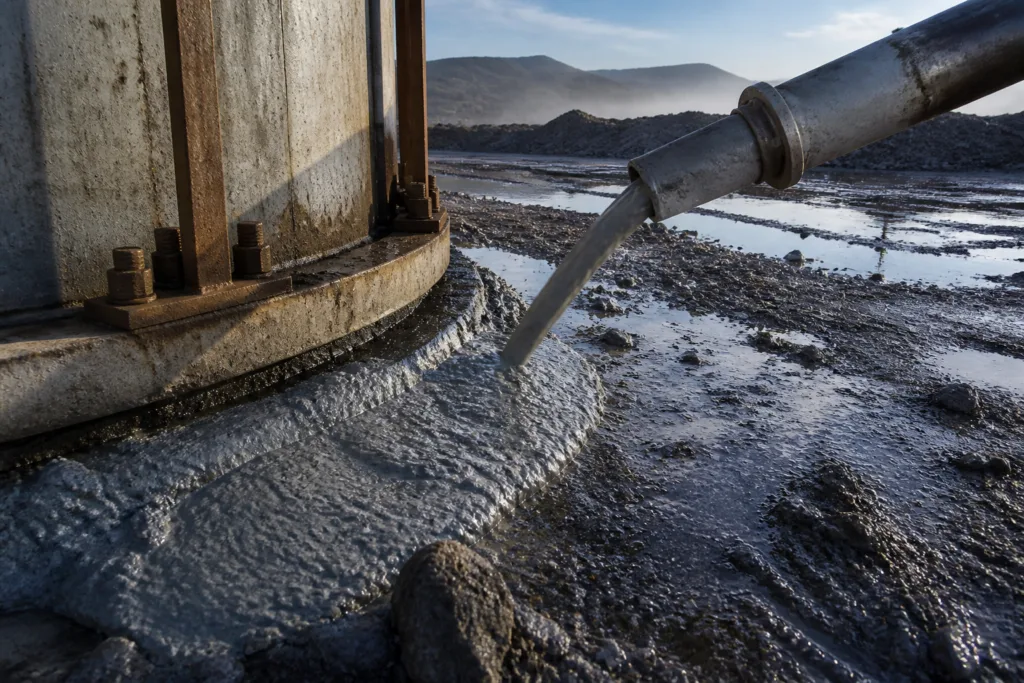
AMD primarily forms when iron sulfide minerals (like pyrite) react with water and oxygen. This reaction generates sulfuric acid and dissolved iron, which then leaches out toxic heavy metals from rocks. Over time, the acidic runoff can severely degrade concrete and steel structures in tailings dams, mine backfill works, and even municipal infrastructure downstream.
- Key chemical reactions: Oxidation of pyrite (FeS2) into iron ions, sulfate (SO42-), and acid
- pH values drop, making environments increasingly hostile for standard construction materials
Typical Contaminants in AMD-Affected Sites
- Sulfates
- Acidity (pH often below 3)
- Heavy metals (copper, zinc, cadmium, lead, etc.)
Environmental Impacts of AMD
AMD doesn’t just affect mine sites—it can poison streams, rivers, and drinking water supplies far downstream. High sulfate and metal concentrations lead to fish die-offs, loss of biodiversity, and long-term contamination of aquatic environments. The environmental cost and remediation of AMD can exceed mining revenue by large margins.
Structural Damage: Why Ordinary Concrete and Grouts Fail
Traditional cementitious materials aren’t engineered for low-pH, high-sulfate environments. Sulfate ions attack hydrated compounds in Portland cement, gradually breaking down the matrix—a process called sulfate attack. Key symptoms include swelling, cracking, loss of bond, spalling, and rebar corrosion. Over time, even well-designed concrete can turn brittle or disintegrate.
| Exposure | Effect on Ordinary Grout |
|---|---|
| Sulfate-rich AMD | Ettringite formation & expansion |
| Low pH/acid | Dissolution of binder |
| Heavy metals | Increased porosity, loss of integrity |
What Are Sulfate Resistant Grouts?
Sulfate resistant grouts are specialized cementitious or resin-based systems designed to withstand harsh acid and sulfate exposure. These grouts use modified binders, low-permeability matrices, and chemical admixtures to resist breakdown—delivering long service life and stronger protection for mining infrastructure. For example, ZDS-1410AB High Compressive Epoxy Grout offers a robust example of a material engineered to handle aggressive, contaminated settings often encountered near AMD sources.
Core Properties of Sulfate Resistant Grout
- High chemical resistance (pH 1–12)
- Low permeability for reduced contaminant ingress
- Resistant to ettringite and thaumasite formation
- Long working time and self-leveling ability
Engineering Mechanisms: How These Grouts Fight AMD
Sulfate resistant grouts employ several technical strategies to win against AMD’s relentless attack:
- Replacement of Ordinary Portland Cement with Sulfate-Resistant Cements or SR (e.g., high C3A resistance)
- Supplementary cementitious materials (silica fume, GGBFS, metakaolin) enhance durability
- Polymer or epoxy grout matrices form chemical barriers (lower porosity, higher adhesion)
- Pozzolanic reactions that tie up harmful ions
In scenarios requiring superior performance, epoxy grouts provide the tightest matrix and chemical barrier. For more on advanced epoxy grout solutions, see our insights on epoxy coating systems.
Material Selection: When and Why Choose Sulfate Resistant Grouts
Not every scenario requires maximum resistance—but in mining, loss of grout integrity can lead to foundation shifting, machine misalignment, or catastrophic infrastructure failures.
- Mining foundations (tailings dams, pump bases)
- Underground tunnel lining and repair
- Pipe penetration sealing in attack-prone zones
- Water treatment plants managing acidic/contaminated inflows
Application Realities
ZDSpoxy engineers emphasize on-site quality: batch mixing precision, moisture-tolerant primers, and strict adherence to water-to-cement ratios. The smallest contamination—like oil or dust—undermines bond strength and sulfate resistance, so careful surface preparation is non-negotiable.
Case Studies: Sulfate Resistant Grout Successes in AMD Zones
Case Study 1: Grouting a Tailings Dam Foundation
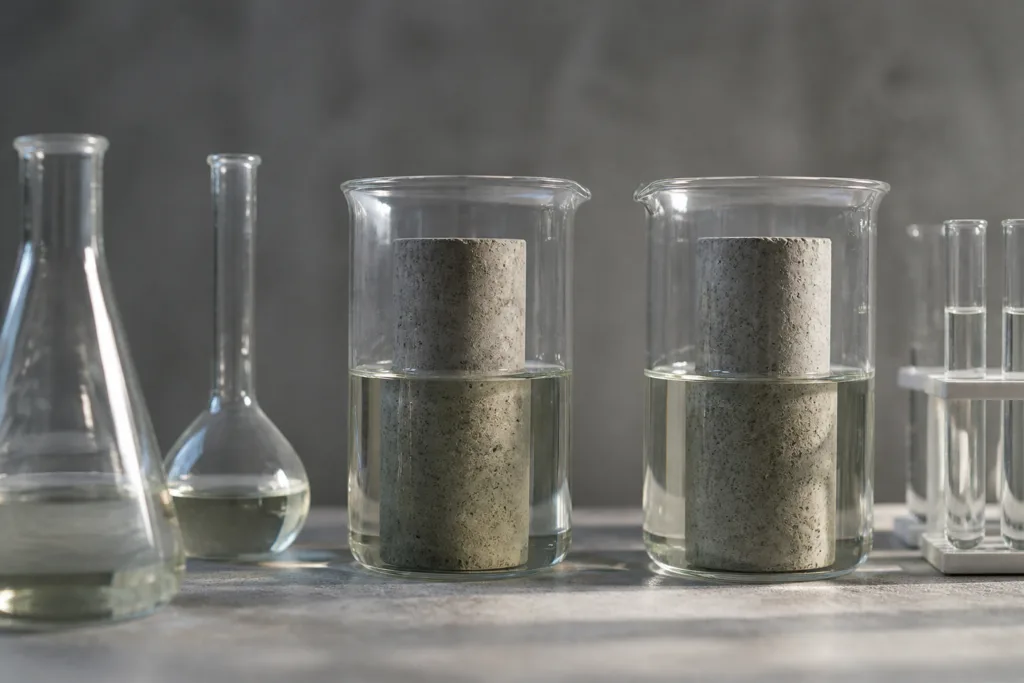
In a copper mine with persistent AMD outflows, older cement grouts failed within 18 months. Engineers switched to a polymer-modified, sulfate resistant grout containing 40% ground granulated blast furnace slag (GGBFS) and epoxy resin binder. Five years later, post-excavation inspection showed only surface staining—structural strength was unchanged.
Case Study 2: Pump House & Pipeline Base Repair
A gold mine in Australia faced base slab crumbling due to acid seepage. Installation involved surface scarification, wet/dry shotblasting, and application of a solvent-free epoxy primer. This provided a bond layer for the sulfate resistant grout overlay, restoring foundation integrity and halting further degradation.
Step-by-Step: Mixing and Applying Sulfate Resistant Grout in AMD Settings
- Assessment: Test site water chemistry (pH, sulfate, metal ions)
- Substrate Preparation: Mechanically clean, dry (if possible), remove oil/dust
- Priming: Apply compatible epoxy primer when high moisture or chemical exposure is expected
- Batch Mixing: Strict ratio discipline, slow-speed drill mixing, monitor viscosity/working time
- Placement: Pour in lifts or continuous flow, air release with gentle vibration, encapsulate steel embedments
Common Mistakes to Avoid
- Improper surface cleaning
- Overwatering or poorly mixed batches (reduces resistance)
- Using standard Portland cement grout in high-sulfate zones
- Skipping primer (especially on wet/damp surfaces)
Testing, Quality Control, and Monitoring
On-site QC is crucial: running flow tests, cube compressive samples, and pH/cure time checks. ZDSpoxy recommends tracking each batch number and keeping records of site temperature, substrate condition, and water quality for reliable asset tracking. Need to estimate your grout requirements for AMD zones? Use our Epoxy Grout Volume Calculator Project Quote for a precise, chemical-resistant installation plan.
Standards, Sustainability, and Regulatory Compliance in Mining
Modern mining projects face stricter sustainability mandates—especially with public water risk. Sulfate resistant grouts with low VOC emissions, high recycled content (slag, pozzolan), and verified durability help meet LEED, ISO (14001), and local mining permit requirements. Responsible material sourcing and documented performance protect both the environment and site operations.
Acid Mine Drainage, Sulfate Resistant Grouts: The Path Forward
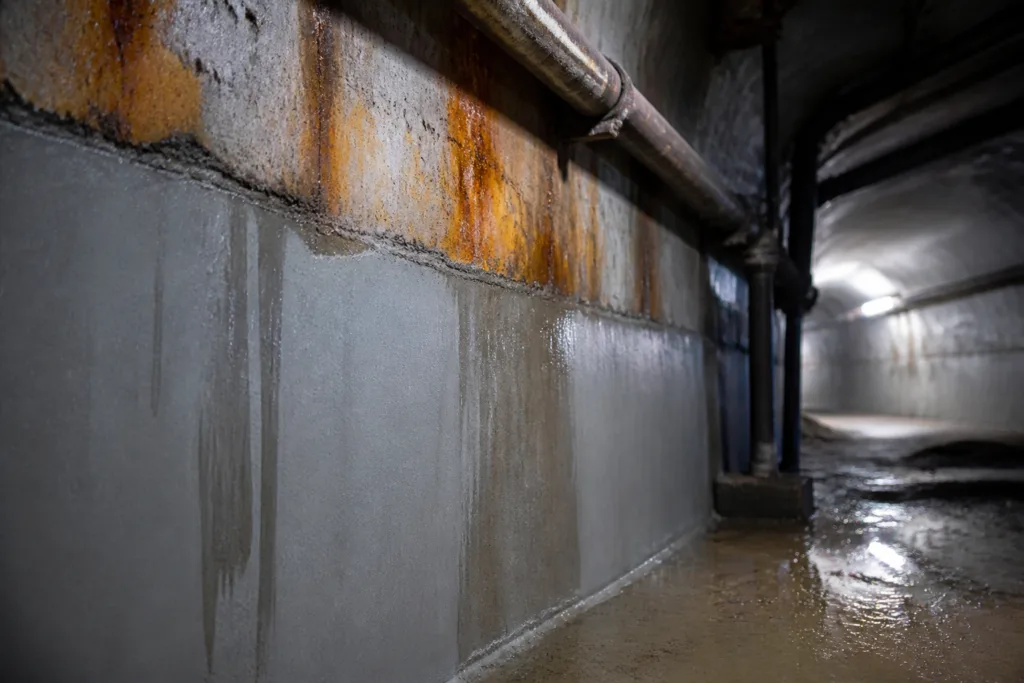
Surviving acid mine drainage environments requires more than routine engineering—it takes materials proven in the lab and field, site-driven application discipline, and an ongoing commitment to sustainability. Sulfate resistant grouts make it possible to secure mining infrastructure, reduce environmental risk, and achieve genuine operational safety. These innovations ensure responsible mining is not just aspirational but realistic and replicable.
Frequently Asked Questions
What is Acid Mine Drainage and why is it a problem?
Acid Mine Drainage is acidic, sulfate- and metal-laden water that forms when sulfide minerals are exposed to air and water. It damages environments, poisons water supplies, and corrodes infrastructure.
How do sulfate resistant grouts differ from ordinary cement grouts?
Sulfate resistant grouts contain advanced binders (like high-sulfate-resistant cements or epoxy matrices) and chemical admixtures that protect against acid and sulfate attack, while traditional grouts do not.
What testing is essential before installing grouts in AMD-affected locations?
At a minimum, test water for pH, sulfate and metal ion content, verify substrate condition, and run mock-up mixes to ensure compatibility and performance.
Can sulfate resistant grouts fully stop AMD damage?
They greatly reduce but may not absolutely eliminate risk. Proper prep, materials, and maintenance are key for long-term success in harsh environments.
Where are sulfate resistant grouts most critical in mining?
Foundation grouting, tailings dams, pump bases, tunnel linings, pipe penetrations, and any location facing chemical exposure or high sulfate water flows.
Are epoxy-based grouts always better than cement-based options?
Epoxy-based grouts offer superior chemical resistance and bond in extreme conditions, but cost and install conditions may make advanced cementitious versions preferable in some scenarios.