
Understanding the ZDSpoxy Product Catalog, Resin Selection Matrix, Application Guide
Choosing the right resin for your project can feel overwhelming, whether you’re engineering a factory floor or upgrading your home garage. That’s why the ZDSpoxy product catalog, resin selection matrix, application guide is a vital resource for anyone working with epoxy, polyurethane, or polyaspartic coatings, adhesives, and grouts. This comprehensive guide walks you through everything you need: product options, selection logic, key application strategies, and answers to real-world questions faced by industrial pros and DIY enthusiasts alike.
Why a Resin Selection Matrix Matters for Every Project
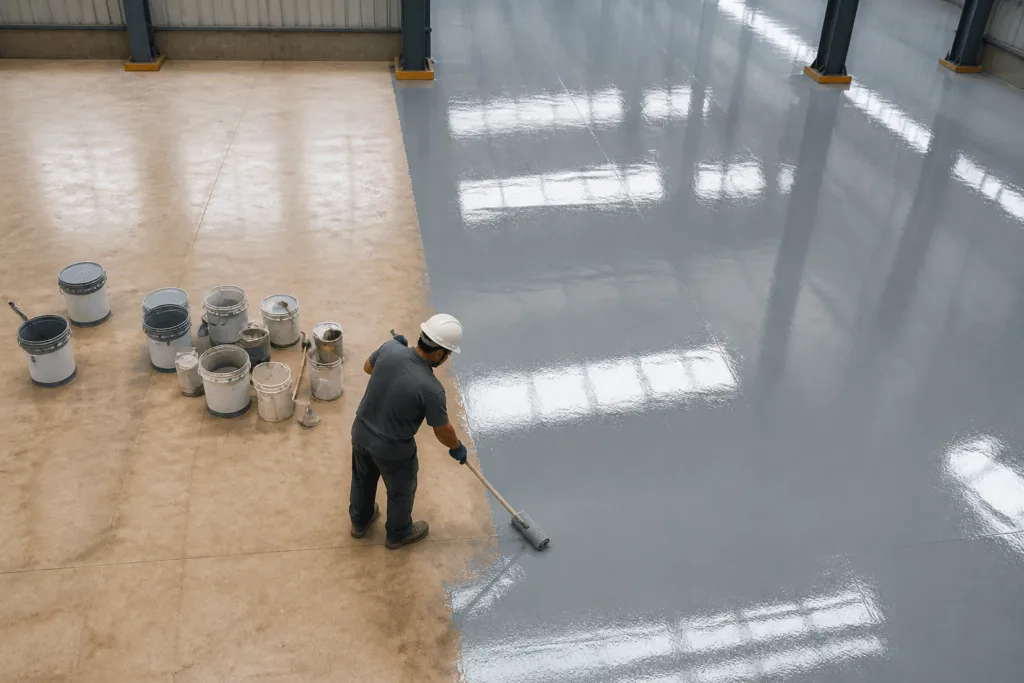
With dozens of resin types and hundreds of product numbers, it’s easy to lose track of what fits your needs. The resin selection matrix cuts through confusion by matching performance requirements—like wear resistance, curing speed, or chemical durability—with the right ZDSpoxy solution. This not only simplifies specifying resin for industrial production but also helps DIYers avoid costly mistakes and rework.
How to Use the ZDSpoxy Product Catalog
The ZDSpoxy product catalog is structured by both chemistry and typical application. It shows a clear path: Start with your substrate (concrete, ceramic, stone, metal, or wood), decide your primary need (e.g., durability, UV resistance), and then see a short list of matching materials. This clarity is especially valuable for flooring professionals who need proven resin flooring systems for high-traffic environments.
Resin Types Explained: Epoxy, Polyurethane, Polyaspartic
Every chemistry has strengths. Here’s a quick orientation:
- Epoxy Resin – Excellent adhesion, chemical resistance, and base for primers and coatings
- Polyurethane Resin – Toughness, flexibility, UV resistance, ideal for topcoats and wear areas
- Polyaspartic Resin – Ultra-fast curing, high performance in commercial fast-turnover jobs
Application Categories in the ZDSpoxy Product Catalog
| Category | Typical Product Codes | Main Features |
|---|---|---|
| Primers | ZDS-1012ab, ZDS-105 | Adhesion, sealing, concrete & ceramic compatibility |
| Mid Coats | ZDS-3136AB-90 | Buildup thickness, strength, color layers |
| Topcoats | ZDS-8300AB, ZDS-1223AB | Gloss, wear resistance, UV resistance |
| Adhesives & Mortar | ZDS-1180AB, ZDS-2102ab | Bonding, gap filling, grouting |
| Decorative & Specialized | ZDS-2238AB, ZDS-1239AB | Terrazzo, colored sand, custom finishes |
Step-by-Step: How to Use the Resin Selection Matrix
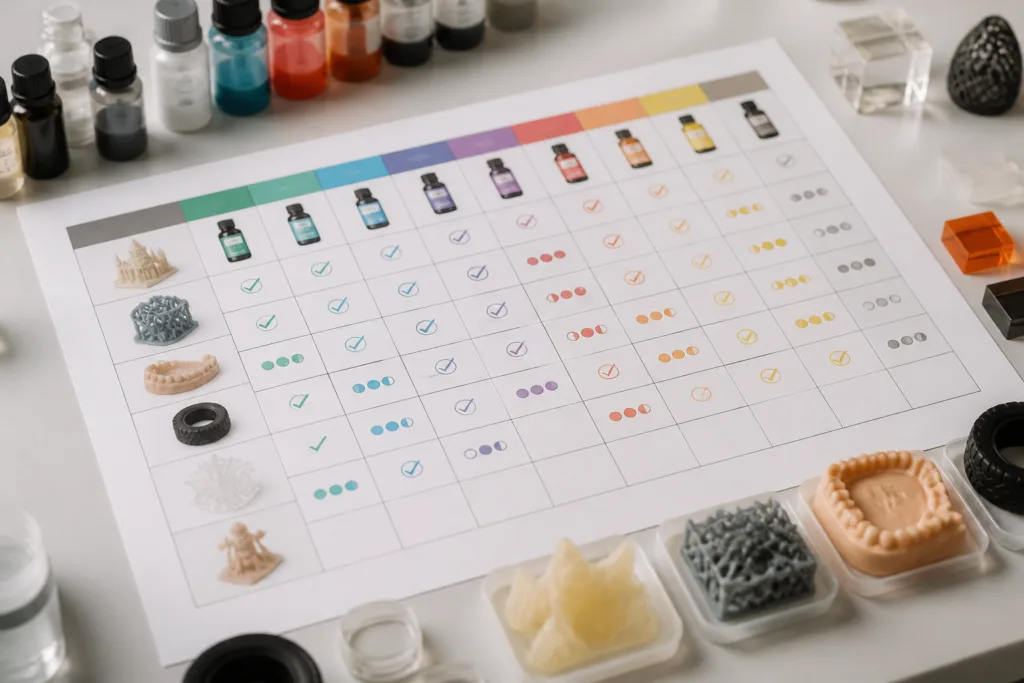
The selection matrix typically has substrates listed vertically and application goals horizontally:
- Find your substrate (e.g., concrete, stone, metal, or wood)
- Choose the main demand (abrasion, chemical, fast cure, decorative, etc.)
- Cross-reference to see the matching ZDSpoxy product number
For example, if you need a high-bond primer for concrete and ceramic flooring, ZDS-1012ab Epoxy Primer is a proven option.
Key Product Selection Factors: Site Realities and Resin Performance
What truly determines the right resin? It’s not just the datasheet. ZDSpoxy engineers, for example, advise checking substrate moisture levels before applying primers. Applying on damp concrete without compatible products risks long-term bond failure—even with a premium resin. Always confirm the correct resin for off-dry or uneven substrates.
Solving Common Pain Points: Keeping Projects On Track
Typical project challenges include unexpected cure time changes due to site temperature swings, and incompatibility with existing layers. Using fast-curing systems like ZDS-1011ab Epoxy Fast Curing Dual-Layer Floor Coating helps keep tight schedules, especially when overnight turnaround is critical. Always check recommended mixing ratios and pot life—the resin “workable” window is non-negotiable for consistent results.
Special Environments: Chemical-Resistant and Hygienic Applications
Industrial plants, labs, or kitchens need flooring that stands up to aggressive chemicals, cleaning, and possible spills. For these, ZDSpoxy’s chemical-resistant resin flooring solutions remain popular, balancing durability with cleanability. Antimicrobial systems are available for hygiene-critical areas, supporting requirements for food, pharma, or wet process zones.
Working With Substrates: Concrete, Stone, Metal, Wood
Substrate dictates primer choice. Polished or porous surfaces? Use specially formulated primers, like acrylic epoxy for difficult ceramic or water-based options (ZDS-105, ZDS-181) to minimize solvent odor indoors. Engineered grouts and binders further tailor performance when substrate movement, vibration, or thermal cycling are issues.
Matching Cure Time to Project Schedules
Some jobs can afford a slow cure for maximum hardness, while others need fast return-to-service. Polyaspartic products deliver ultra-fast times, but plan for short working windows. Always consider ambient conditions: Heat can accelerate curing, while cold delays hardening, potentially extending downtime or complicating recoating.
Mixing Practice: Avoiding Common Field Mistakes
The majority of resin failures come from overlooked mixing. ZDSpoxy’s site advice is clear: measure components scrupulously, mix in clean containers, and keep batch sizes reasonable to prevent heat runaway (exotherm). Squeeze bottles for small samples, and power-driven mixing paddles for large batches help maintain uniformity across your project.
Site Prep: Clean, Dry, and Sound Surfaces Win
No resin—however advanced—will bond reliably to a poorly prepared substrate. Remove old coatings, oils, grease, and dust. Use mechanical grinding or specialized cleaners. ZDSpoxy’s primers are formulated for real-world sites but still require diligent prep for best adhesion and finish quality.
The Value of VOC and Safety Compliance
For both professionals and serious hobbyists, VOC (volatile organic compounds) regulations are non-negotiable. Many water-based and solvent-free resins in ZDSpoxy’s range are designed to help you meet modern workplace standards. Proper PPE, ventilation, and curing timelines protect your crew, clients, and reputation.
Resin Selection for Decorative and Specialty Finishes
ZDSpoxy’s product catalog includes colored sand topcoats, terrazzo systems, and binders that set the standard for functional aesthetics in commercial, retail, or bespoke residential upgrades. For example, ZDS-1239AB and ZDS-2238AB turn creative vision into durable, easy-care installations. Always match primer and topcoat chemistries for UV resistance and cleanability.
Heavy Duty and Wear Resistance: When Performance Comes First
Demanding spaces—factory floors, warehouses, hangars—call for flooring that withstands abrasion, compressive loads, and impact. Polyurethane wear-resistant systems offer superior balance between flexibility and surface durability. Always consider total system thickness and use fillers/mortars in heavy-load zones for maximum longevity.
How to Read Product Codes and Datasheets
Every product number in the ZDSpoxy catalog references the chemistry, typical application, and component formulation. “AB” signifies a two-component reactive set; numbers help identify category and order. Always consult the latest technical data sheets, but use selection tables for the big-picture path to the right material family.
Best Practices for Primer Selection
Primer selection is crucial for bond integrity. Factors include substrate porosity, moisture sensitivity, residual contamination, and compatibility with later layers. For multi-layer systems, always use a primer designed for your main coat chemistry and the base material—especially important for concrete vs. tile or stone.
Surface Preparation for Longevity and Success
Effective surface prep extends the lifespan of any coating or grout application. Mechanical profiling creates optimal bond texture. Vacuum all loose debris; don’t overlook edge and corner details. If rapid turnarounds are needed, confirm primers cure quickly enough to keep your schedule moving.
Understanding Mixing Ratios and Pot Life
Precision mixing prevents exothermic blow-ups or under-cured tack. The pot life—the time window after mixing when the resin is usable—is fixed. Only mix what can be applied immediately. Keeping resin and hardener at recommended temperatures helps keep viscosity manageable and ensures predictable pot life.
Application Guide: From Preparation to Topcoat
- Clean and prepare substrates thoroughly
- Prime (if applicable) and allow proper cure time
- Mix main and hardener according to datasheet instructions
- Apply base/mid coats for build and performance
- Apply decorative elements or anti-slip finishes as needed
- Finish with a suitable topcoat for your use case (gloss, matte, color)
Troubleshooting: Common Issues and Real Solutions
Bubbles, craters (“fisheyes”), and poor bonding usually result from contamination or improper mixing/application. Before recoating, always diagnose the root cause—moisture, dust, or oil. Follow detailed guides for repairs, and don’t hesitate to consult selection charts to confirm chemistry compatibility for touch-ups.
Cost Factors: Balancing Performance and Budget
While high-spec resins may cost more per liter, their service life, maintenance savings, and reduced failure rates often lower total project costs. For heavy-traffic or chemically aggressive spaces, don’t choose on price alone—balance design life, downtime needs, and future repair costs.
Upgrading Industrial and DIY Projects Alike
ZDSpoxy’s catalog is designed to empower both professional installers and home improvement enthusiasts. Even for small projects, leverage the selection matrix to find fit-for-purpose chemistry—especially important when resin must handle temperature swings or occasional heavy machinery loads.
Long-Term Maintenance and Recoating Guidance
Extend the life of any resin flooring or grout by regular inspection and cleaning. Use mild cleaners; avoid harsh solvents unless the topcoat is specified as chemical-resistant. When recoating, confirm compatibility with previous layers; always lightly abrade and clean surfaces before applying fresh resin.
Safety, Storage, and Handling: Practical Insights
Resins require cool, dry storage away from sunlight. Use unopened kits as directed; once cured, leftover product cannot be reused. Personal protective equipment (gloves, eyewear, masks) protects against splashes or vapors. Smart batch planning minimizes waste and handles dangerous exotherms in larger pours.
ZDSpoxy Product Catalog, Resin Selection Matrix, Application Guide: Your Next Steps
This guide bridges ZDSpoxy’s technical resources and your project needs. Always start with substrate and end-use demands. Lean on the selection matrix to match chemistry, product code, and real-world performance. If ever in doubt, consult datasheets and site-tested advice to minimize risk and maximize results.
Frequently Asked Questions
How do I choose the right resin for my floor?
First, identify your substrate and the environmental or use demands (e.g., abrasion, chemical spills, or aesthetics). Use the resin selection matrix to compare options; focus on adhesion, cure time, and compatibility with your site’s real conditions.
What is the difference between epoxy and polyurethane systems?
Epoxy offers excellent adhesion and chemical resistance, while polyurethane provides higher flexibility, abrasion resistance, and UV stability. Some systems also use polyaspartic topcoats for even faster turnarounds.
Can I apply ZDSpoxy resin over existing tiles or coatings?
Yes, but only if you use the correct primers and prepare the surface thoroughly. Remove all contamination and loose material, then select a suitable bonding primer according to the application guide.
What are the main causes of resin floor failures?
Poor surface prep, wrong mixing ratios, and applying in unsuitable temperature or humidity can all lead to failures. Always follow datasheet instructions and verify compatibility before each layer or repair.
What is pot life and why is it important?
Pot life is the optimal period after mixing when resin can be applied before it starts to cure. Exceeding this window results in poor flow, adhesion, or unwanted exothermic reactions.
Do ZDSpoxy products comply with safety and VOC regulations?
Many ZDSpoxy products are water-based or solvent free and designed to meet VOC and site safety standards. Always read product safety data and use appropriate PPE during handling and application.
Related Reading
- Essential 2026 Budget Guide: Plan and Save with Epoxy Flooring Costs
- Resin Flooring vs Tiles: Which Outlasts and Outperforms?
- Can You Coat on Damp Concrete? Practical Tests and Real Risks Explained
- Why Thermal Shock-Resistant Flooring is a Game Changer for Breweries
- Achieving Clean, Safe Surfaces with Antimicrobial Resin Solutions