
Introduction: Why Fish Eyes, Craters, and Wetting Issues Matter in Marine Epoxy Work
Fish eyes in epoxy, craters, and poor wetting aren’t just cosmetic issues—they signal real contamination concerns that can undermine boat repairs, marine coatings, and even structural adhesives. Whether you’re sealing a wooden deck, recoating a hull, or fixing cracks, invisible contaminants like silicone, wax, oil, and solvent residues often lurk just beneath the surface. In marine environments, salt, algae, oil, and atmospheric grit compound the challenges. Recognizing, diagnosing, and cleaning up contamination matters for every craftsman, contractor, or owner working with epoxy on boats. This article presents a practical checklist and workflow, so you can reliably prevent fish eyes and surface failures.
| Contaminant | Source | Signs | Cleanup Method |
|---|---|---|---|
| Silicone | Polishes, sealants | Beading, fish eyes, craters | Emulsify with detergent, thorough rinse |
| Wax | Waxed finishes, molds | Shiny spots, poor wetting | Warm water plus cleaner, abrasive pad |
| Oil/Grease | Bilge, hands, diesel/fuel spills | Stains, slick areas, smell | Degreaser, absorbents, rinse |
| Solvent Residue | Improper wiping, evaporated solvents | Sticky layer, blooms, fish eyes | Water-based cleanup, allow full evaporation |
| Salt/Marine Grit | Seawater, spray | White deposits, surface roughness | Freshwater wash, scrub |
| Sanding Dust | Before coating | Texture, visible particles | Vacuum, tack cloth |
Understanding Fish Eyes Epoxy: What Are They?
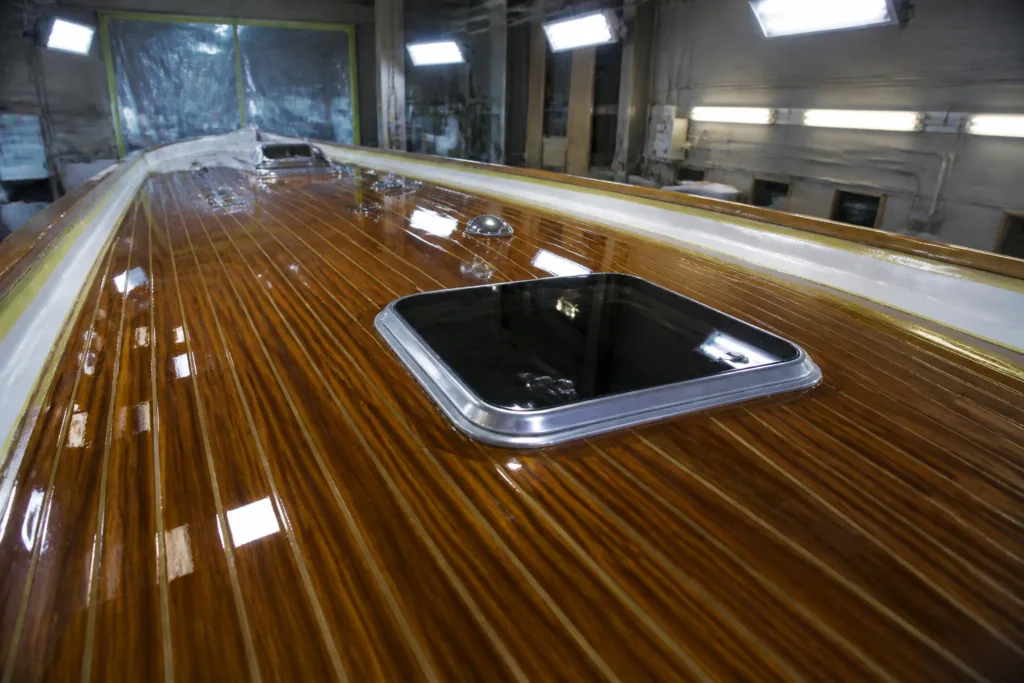
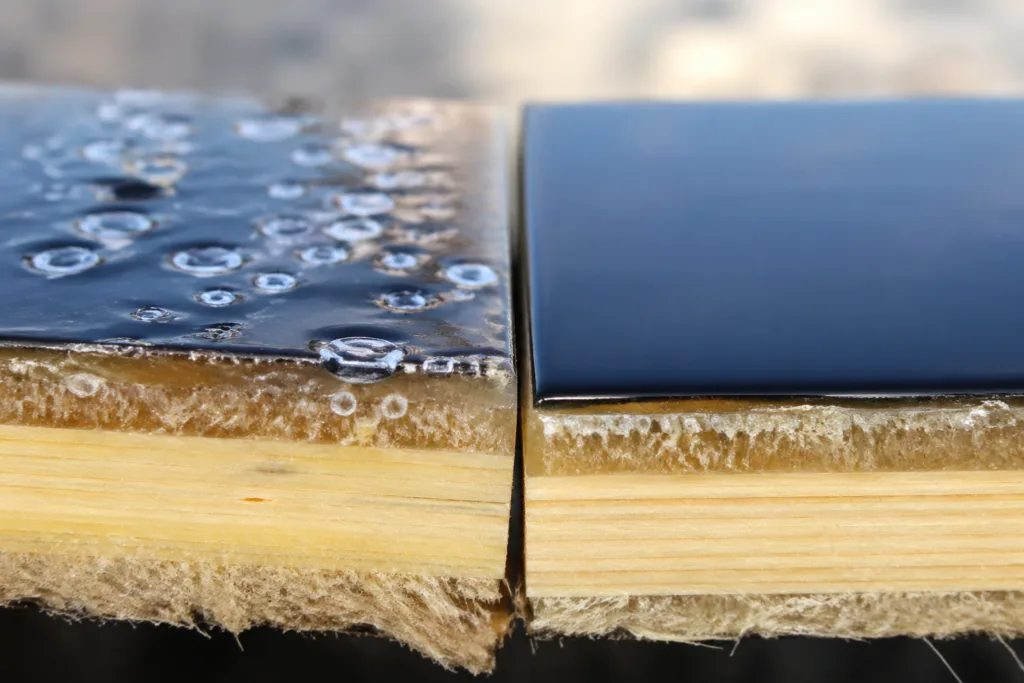
Fish eyes are small, round voids where epoxy pulls away from the substrate, leaving exposed spots. Surface tension is to blame: contamination lowers the surface energy, so epoxy won’t spread evenly. These issues can signal much more than a cosmetic flaw; they reflect fundamental surface preparation errors.
How Marine Environments Exacerbate Contamination
Marine work brings unique contamination risks. Floating oils, diesel residue, fine salt mist, and organic buildup all infiltrate deck and hull surfaces. Boat interiors see waxy polishes, silicone sprays, and even saponified oils. Weather exposure means airborne grit and salt are nearly constant. Unlike land-based repairs, marine cleanup means targeting not just visible dirt, but invisible residues.
Sourcing the Problem: Where Silicone Contamination Comes From
Silicone is notorious for causing fish eyes in epoxy. Boatowners and contractors frequently use silicone-based sealants, lubricants, or cleaning sprays. Even when cured, tiny traces remain, often invisible to the naked eye but powerful enough to repel new coatings. These traces migrate easily and persist through improper cleaning.
Diagnosis Methods: Spotting Fish Eyes and Craters Early
Fish eyes and craters appear as round defects or separated spots as epoxy cures. Craters may show deeper voids than fish eyes, depending on droplet size and substrate profile. Immediate diagnosis means checking surface after first passes—if defects emerge, contamination is almost always the cause.
Wax, Oil, and Solvent Residue: Common Marine Sources
Wax from mold releases, hull finishing compounds, or old polishes can create serious wetting failure. Oily residues crop up everywhere—bilge splashes, engine grime, greasy hands, diesel and fuel spills. Solvent residues, especially from improper wiping (like acetone or thinners), leave behind a sticky film if not fully evaporated. This is especially relevant for marine repairs where weather can slow evaporation.
Checklist: Identifying Sources Before You Clean
- Inspect for visible shine, streaks, or tactile slickness
- Smell for fuel or oil odors
- Check for blooming haze from solvents
- Test water beading—if droplets bead, surface tension is altered
- Look for white salt deposits or roughness from marine spray
Surface Tension Science: Why Epoxy Pulls Away
Surface tension is the hidden force behind fish eyes. Clean surfaces have high energy, promoting wetting and adhesion. Even trace contaminants lower this energy, so epoxy won’t spread or bond. Testing with fresh water: If it beads up and doesn’t flow, contamination is likely. Wetting failure means poor bonding strength and unsightly finish.
Additive Effects: Multiple Contaminants Combine
Contaminants rarely come alone. In marine contexts, silicone may be mixed with wax, salt spray, and oil. Each contaminant weakens wetting and can worsen fish eyes or craters. This is why experienced repair specialists use a layered, multi-step cleanup and prep approach.
Sanding Grit Selection: The Impact on Wetting and Adhesion
Sanding grit isn’t just about smoothing surfaces—it matters for how epoxy flows and bonds. Too coarse leaves ridges and traps contaminants; too fine, and surfaces hold more waxy residues and are harder to clean. Marine repairs often demand medium grits (80–120) for prepping wood, fiberglass, or existing coatings. Always vacuum and tack cloth after sanding; dust is a form of contamination.
Sanding Tips for Marine Repairs
- Sand evenly with medium grit
- Remove all dust with vacuum, then tack cloth
- Do not use waxed sandpaper
- Wash surfaces with detergent after sanding when contamination is suspected
Fish Eyes Epoxy: Contamination Diagnosis Checklist
| Step | Action |
|---|---|
| Visual Inspection | Check for beading, shiny spots, stains |
| Touch and Smell Test | Feel for slickness, sniff for oil/fuel |
| Water Drop Test | Observe wetting; beads indicate contamination |
| Surface Profile Check | Assess sanding quality and dust removal |
| Salt and Grit Survey | Look for white deposits, rough patches |
When to Suspect Silicone: Classic Signs
If epoxy cures into isolated droplets (fish eyes), or craters persist after repeated coats, silicone is often present. Especially common with boats previously waxed or sealed. Silicone’s persistence means repeat cleaning may be necessary.
Safe Cleanup Workflow (No Unsafe Solvent Wipes)
Solvent wipes are common advice, but many solvents can create more issues than they solve. Acetone, MEK, or thinners may leave behind residue, which attracts fish eyes. Instead, use a safe, progressive checklist:
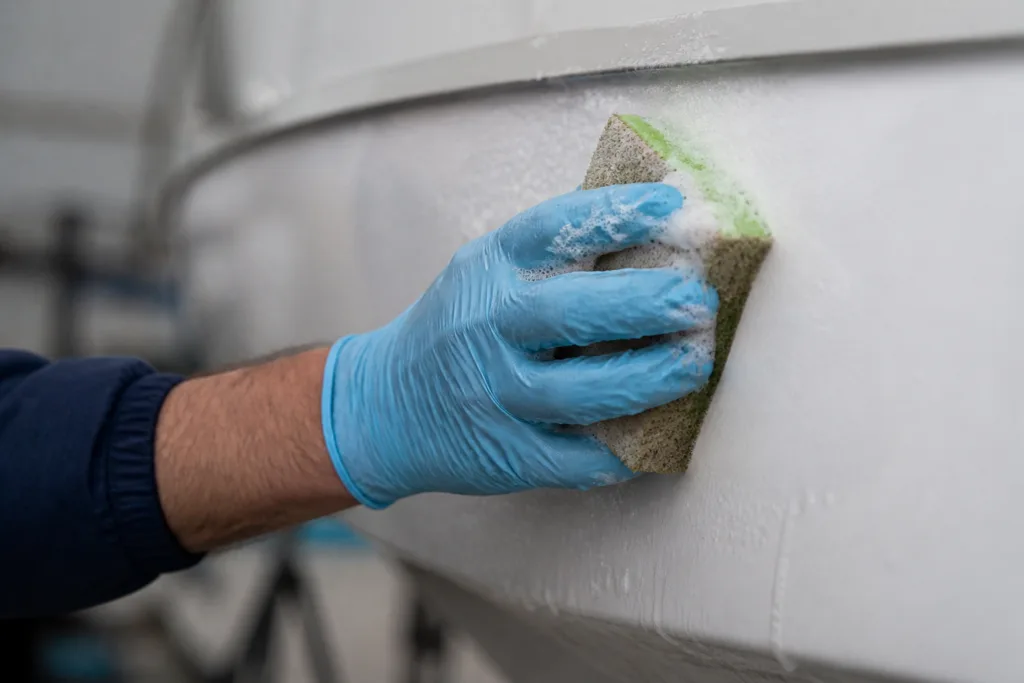
- Scrub with water-based detergent (emulsifies most contaminants)
- Rinse with fresh water—never salt or brackish water
- Dry with lint-free towels
- Repeat if shine or beading persists
- Final pass with degreaser for oily spots
- Apply a compatible primer system (see below for product options)
For marine wood repairs, a solvent-free primer like ZDS-2060AB is recommended, as it bonds well despite sensitive surfaces.
ZDSpoxy Experience: Quality Assurance in Marine Epoxy Prep
On marine sites, ZDSpoxy engineers stress batch-to-batch consistency and surface prep discipline. When prepping for deck or hull repairs, mixing ratios and application method are checked alongside surface cleaning. ZDSpoxy’s solvent-free primers help reduce fish eye risk, and QC teams routinely test for wetting and adhesion using water drop and tape pull tests. This real-world approach prevents the “surprise” failures that plague many boat restorations.
Marine Salts, Oils, and Environmental Grime: Special Cleaning Steps
Salt spray, brackish water residue, or organic films from algae, bird droppings, and fish oils are unique to boats. These require fresh water rinse and light abrasion, followed by detergent scrubbing. Unlike home repairs, marine surfaces rarely stay clean long; repeat cleaning is common.
Extra Steps for Severe Oil or Silicone Contamination
- Multiple detergent washes, scrubbing each time
- Absorbent pads for stubborn oil patches
- Test with water drop for wetting improvement
- Spot-prime with solvent-free resin for areas still showing fish eyes
In cases of persistent contamination, it’s often easier to use a primer engineered for challenging surfaces. For example, ZDS-1060AB can handle both porous and contaminated spots without aggressive solvents.
Solvent Choices: What Not to Use and Why
Many guides suggest acetone, MEK, or paint thinner, but these can dissolve contaminants and leave filmy residues. They may even spread silicone or oil across the surface. Marine contractors avoid aggressive solvent wipes unless paired with detergent cleaning and full evaporation. If solvent is needed, always follow up with detergent and fresh water rinse.
Compatible Product Solutions: Primers and Fillers
For challenging marine repairs, solvent-free primers, flexible gap fillers, and rapid-setting putties help overcome contamination risks. Explore specialty products such as ZDS-1240 for waterproof gap filling. See the Marine Epoxy Resin Manufacturer pillar page for guidance matching product to substrate.
Post-Cleanup Testing: Ensuring Wetting and Adhesion
Once cleaned, always test substrate wetting. Apply a thin coat of clean water; if it beads, keep cleaning. Tape pull tests and small spot-application of epoxy help verify readiness. This prevents wasting materials and recoating over contaminated areas.
Final Preparation Steps Before Epoxy Application
- Inspect all surfaces under strong light
- Check humidity and temperature
- Verify batch mixing ratios
- Apply compatible primer
- Allow proper cure before finishing layers
Fish Eyes Epoxy: Recap and Best Practices
Fish eyes, craters, and wetting issues signal surface contamination—from silicone, wax, oil, solvent residues, or marine salts. A layered, progressive cleaning workflow—focused on detergent scrubbing, fresh water rinses, and careful sanding—prevents costly mistakes. For marine epoxy repairs, choose compatible priming and filling systems. Always diagnose, test, and confirm before moving on to repairs or coatings.
Frequently Asked Questions
What causes fish eyes in epoxy on boats?
Fish eyes are usually triggered by contamination—silicone, wax, oil, solvent residues, or salts lower surface tension and prevent wetting.
How can I remove silicone contamination before applying marine epoxy?
Scrub repeatedly with water-based detergent, rinse, and check wetting; avoid just using solvents, as they spread silicone rather than remove it.
Is acetone safe for prepping boat surfaces?
Acetone may leave residues and spread contamination. Use detergent, fresh water, and a solvent-free resin primer for safer, stronger epoxy adhesion.
Why do sanding marks affect epoxy wetting?
Too coarse grit can trap contaminants; too fine may leave residues. Medium grit, careful vacuuming, and tack cloth cleaning provide optimal prep.
Can salt deposits cause fish eyes in marine epoxy?
Yes, salt deposits reduce surface energy and cause beading or craters. Always rinse with fresh water and scrub before applying epoxy.
Which epoxy primers are best for contaminated boat surfaces?
Solvent-free primers like ZDS-2060AB and ZDS-1060AB support excellent adhesion even on difficult, previously contaminated surfaces.
Related Reading
- Defeating Bubbles: Proven Solutions for Clear Marine Epoxy Coatings
- Epoxy Still Tacky? Real Solutions for Boat Owners
- Removing Amine Blush: Real-Life Troubleshooting for Marine Epoxy Success
- Expert Oil Removal Techniques for Foundation Repairs in Industrial Sites
- Three Quick Ways to Test Adhesion Before Marine Epoxy Coating