
Introduction: The Critical Role of Mantle and Bowl Locking in Cone Crusher Installation
Cone crushers are powerhouses in mining equipment, efficiently breaking rocks into usable material. Their performance—and safety—relies on the secure locking of two key parts: the mantle and the bowl. Correct installation of these locking mechanisms is not just a technical requirement; it’s crucial for reliable crusher operation, reduced downtime, and operator safety. In this guide, we’ll unpack the technical principles, best practices, challenges, and solutions around locking the mantle and bowl during cone crusher installation, so your equipment stands strong in the toughest environments.
Understanding Cone Crusher Locking Mechanisms
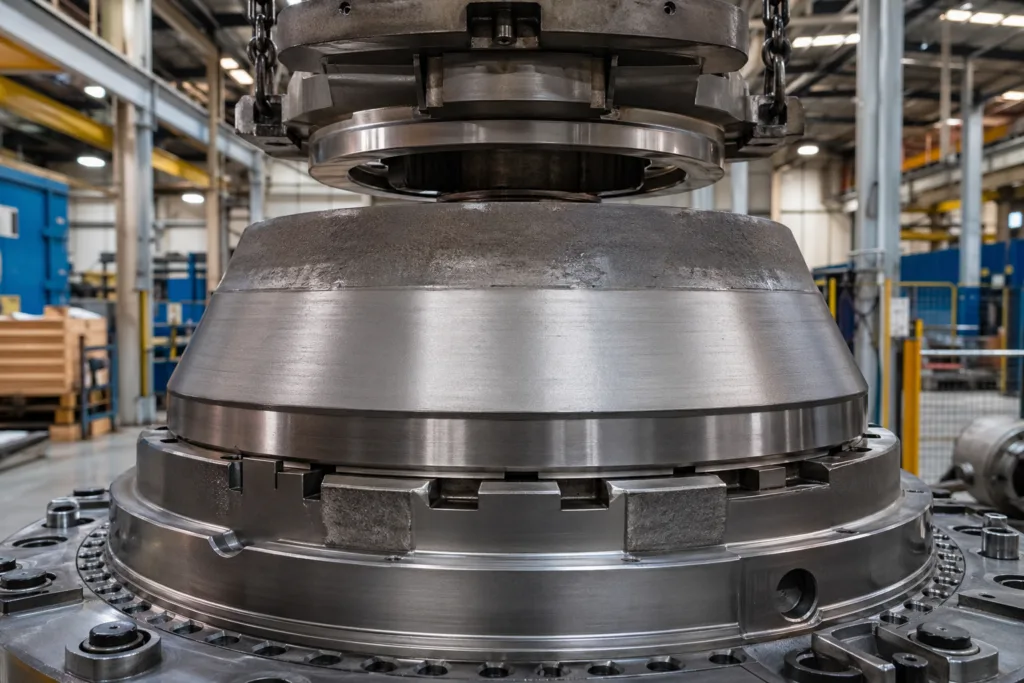
Every cone crusher uses a combination of precise alignment and robust locking systems to keep its mantle and bowl in place. These components endure tremendous forces and vibrations, so their secure immobilization prevents shifting, uneven wear, and catastrophic failures. The most common locking methods include mechanical clamping rings, threaded locking systems, and advanced adhesive grouting techniques.
The Function and Importance of the Mantle Locking System
The mantle, fixed above the main shaft, acts as the moving surface crushing the feed stone. The locking system here must resist rotational and axial forces, ensuring the mantle remains tightly seated against the head. Proper locking guarantees accurate material breakage and uniform product sizing.
How Bowl Locking Maintains Structural Integrity
The bowl forms the stationary surface in a cone crusher. If not securely locked, the bowl can shift under load, damaging threads, bearings, and even the frame. Proper bowl locking upholds machinery alignment and stability, preventing excessive vibration and unsafe operation.
Types of Locking Methods Used in Cone Crushers
- Threaded Bolt and Clamping Systems: Traditional, adjustable, and allow for tight mechanical grip.
- Wedge Clamps: Use mechanical force for quick changes but require precise seating.
- Adhesive/Epoxy Grout Locking: Modern method using specialized compounds to fill gaps and distribute stresses, maximizing surface contact, usually deployed for heavy machinery bases like cone crushers. Explore more about Heavy Machinery Epoxy Grout.
Why Epoxy Grout Is Superior for Locking Cone Crusher Components
Epoxy-based grouting compounds are increasingly chosen for locking the mantle and bowl due to their exceptional compressive strength, chemical resistance, and ability to absorb vibrations. Properly engineered epoxy grout compensates for surface irregularities, prevents loosening under extreme loads, and extends equipment life by minimizing micro-movement and wear.
Step-by-Step Guide: Proper Installation of a Cone Crusher Mantle Lock
- Surface Preparation: Clean all contact surfaces of dust, oil, and old grout. Check for pitting or scoring—these must be fixed first.
- Dry Fit: Position and align the mantle on the head, ensuring complete seating.
- Mix and Pour Epoxy Grout: Prepare the recommended batch size, following the correct mixing ratio and method. Pour in a continuous stream to avoid trapping air.
- Locking Ring/Tensioner: Install the mechanical locking ring or tensioner as required by your crusher model.
- Cure: Allow full gel and cure as specified (often 24 hours for epoxy compounds).
Step-by-Step Guide: Correct Installation of the Bowl Locking System
- Clean and Inspect Threads: These must be free of contamination and wear.
- Lower Bowl: Carefully lower into its frame, rotating as needed for thread engagement.
- Apply Locking Compound or Epoxy Grout: Fill thread voids with specialized locking grout or adhesive, depending on manufacturer guidance.
- Engage Clamps or Set Bolts: Secure to recommended torque. Recheck after initial machine run-in.
Common Challenges in Mantle and Bowl Locking During Crusher Installation
- Contaminated Surfaces: Oil, dust, and moisture lead to poor bonding and early failure.
- Misalignment: Causes uneven load, accelerated wear, and increased vibration.
- Inadequate Mixing or Pot Life Errors: Epoxy must be thoroughly mixed in the right ratio and poured before it thickens.
- Improper Batch Size: Overmixing may limit pourability; undermixing results in incomplete locking.
Materials Used for Locking Mantle and Bowl: An Overview
The materials chosen for locking bore a direct effect on safety and operational efficiency. Options include:
- High-Strength Steel Clamps and Hardware
- Thread Locking Adhesives for smaller cone crushers
- Epoxy Grouts: Modern, high-compressive strength options such as ZDS-1410AB High Compressive Epoxy Grout for Crushers are widely recommended for reliability.
Maintaining Locked Mantle and Bowl Systems for Peak Performance
Routine inspections are vital. Look for grout cracking, loose fasteners, or changes in vibration signature—these may signal early failure. Re-torque bolts periodically and log all checks against a maintenance schedule. If you detect movement, inspect the locking material; plan for a regrout if condition is poor. You can calculate your usage with our Epoxy Grout Volume Calculator Project Quote when planning maintenance rounds.
Signs of Locking System Failure to Watch For
- Increased vibration or noise
- Visible movement in the mantle or bowl
- Chipping or cracks in grouting material
- Thread misalignment or excessive play
Best Practices for Epoxy Grouting in Crusher Installation
- Always check ambient and substrate temperature—most epoxies require 10–30°C for stable cure.
- Avoid excess moisture; use solvent-free, moisture-tolerant primers if needed.
- Mix strictly by manufacturer’s ratio and method for consistency.
- Pour promptly; do not batch exceed 15 minutes for large pours.
- Seal all formwork and penetration points to prevent leaks and air pockets.
The Role of Proper Surface Preparation
Adhesion is only as reliable as the substrate. Grind away old grout and contaminants. Test for oil absorption—if present, use de-oiling treatments first. Compressed air cleaning removes dust. Conduct a test fit to check for gaps or voids before grouting begins.
Comparing Locking Compounds: Epoxy vs. Cementitious
| Feature | Epoxy Grout | Cementitious Grout |
|---|---|---|
| Compressive Strength | Very High (80–110 MPa+) | Moderate (30–60 MPa) |
| Cure Time | Fast (8–24 hrs) | Slow (48–72 hrs) |
| Adhesion | Exceptional | Moderate |
| Resistance to Chemicals/Oil | High | Low |
| Vibration Dampening | Excellent | Low |
Site Realities: How ZDSpoxy Tackles Mantle and Bowl Locking in the Field
In challenging mining site conditions, ZDSpoxy engineers pay close attention to ambient temperature and actual substrate humidity before mixing or pouring epoxy. Batch logging is a routine, including time, mixing ratio, and testing gel time before every application. The result is predictable cure profiles and reduced risk of premature failure—even when equipment remains idle under shutdown or fluctuates in thermal cycles.
Installation Safety and Personal Protective Equipment (PPE)
- Always wear chemical-resistant gloves, eye protection, and antistatic clothing when handling epoxies.
- Ensure adequate ventilation to minimize vapor exposure.
- Handle heavy hardware and parts with appropriate lifting tools.
Proper Storage and Handling of Locking Materials
Keep epoxy grout components dry and cool (generally 10–25°C), away from sunlight. Store on pallets, never directly on floors. Rotate stock by shelf life and check containers for leaks or crystallization before use.
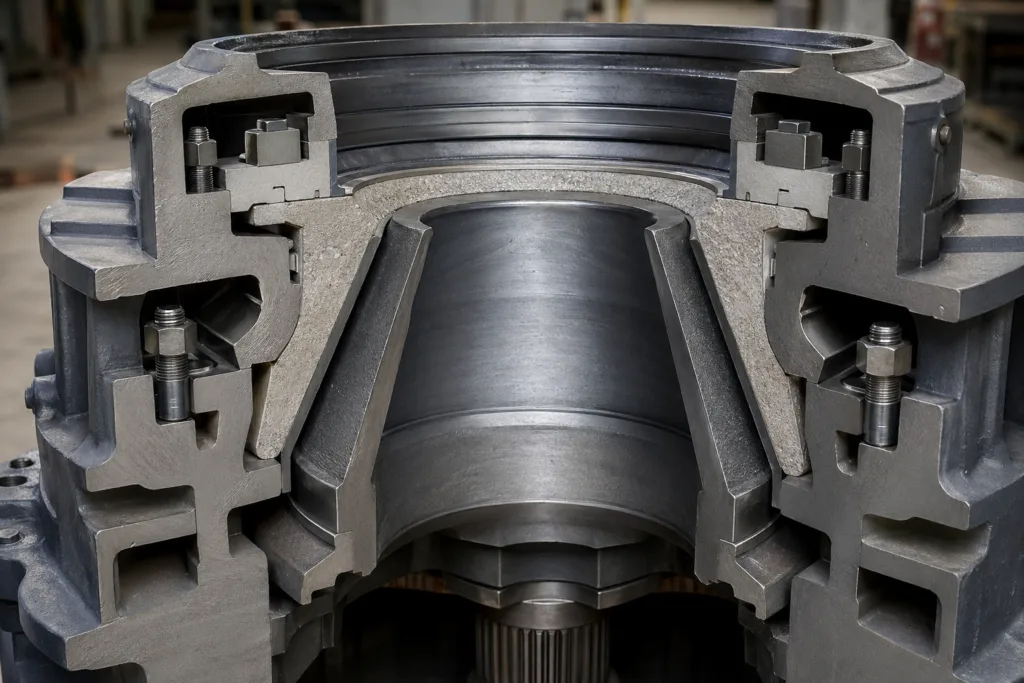
Troubleshooting Installation and Locking Problems
- If batch sets too quickly, reduce pour size, and check ambient temperatures.
- If air bubbles appear, mix more slowly and pour grout closer to the substrate.
- Mismatch between part and grout? Assess for bracing or adjust fit before pouring.
- Cracking after cure suggests either loading before full cure or shrinkage—check batch logs and cure method.
Prolonging the Service Life of Locked Mantle and Bowl Assemblies
Besides scheduled maintenance, always record green-on-green regrouting, and coordinate with production so full cure can finish undisturbed. Regularly analyze vibration and temperature logs to anticipate wear or failures. Avoid over-tightening which can overstress both grout and steel components.
Environmental Factors Affecting Mantle and Bowl Locking
- Low temperature slows cure; use low-temperature epoxy grout compounds if needed.
- High humidity needs solvent-free, moisture-tolerant primers to prevent bond-line failure.
- Dust and airborne abrasives must be mitigated during pour and cure stages.
Case Study: Crusher Installation Success Story
A mining operation in Central Asia upgraded from traditional bolting to modern epoxy grout locking. The result: reduced vibration, consistently lower wear on liners, and eliminated emergency shutdowns caused by mantle or bowl movement. Maintenance intervals more than doubled. The right material choice and careful preparation paid off in equipment uptime and safety.
Cone Crusher Installation: Locking the Mantle and Bowl
Correct installation and locking of the mantle and bowl in cone crushers is a foundational practice in mining equipment maintenance. Each step, from material selection and preparation to final inspection and re-torque, contributes to overall machine health, reduced maintenance costs, and rock-solid safety.
Conclusion: Ensuring Reliable Performance Through Proper Locking
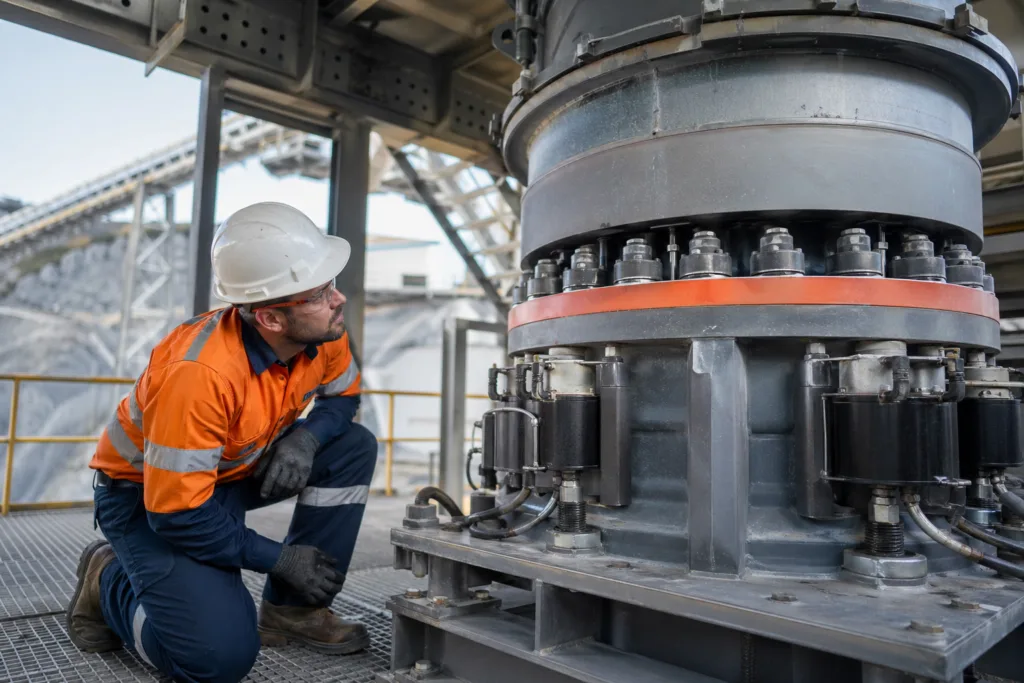
Locking the mantle and bowl during cone crusher installation is not just a checklist item. It’s a technical process where materials, method, and ongoing maintenance intersect for maximum reliability. By following best practices for surface prep, epoxy grouting, and mechanical locking, operational uptime rises, risks drop, and mining operations get the crusher reliability they depend on. With focused inspections and attention to site realities, your cone crusher will provide years of safe, efficient service—even in harsh conditions.
Frequently Asked Questions
What is the main purpose of locking the mantle and bowl in a cone crusher?
The locking mechanisms keep these critical components fixed securely under intense vibration and load, ensuring equipment safety, alignment, and consistent crushing output.
Which locking material is best for cone crusher installation?
High-compressive strength epoxy grout is widely used thanks to its vibration damping, chemical resistance, and ability to fill surface gaps for superior load distribution.
How can I tell if a locking system is failing?
Watch for increased vibration, visible cracks or movement, loose bolts, or material debris—these are all early signs that inspection and possible repair are required.
What are common mistakes during mantle and bowl locking installation?
Errors include poor surface prep, misalignment, mixing errors in grout, working in unsuitable temperatures, or failing to recheck bolt tension after machine run-in.
How often should the locking system be inspected?
Inspection is recommended during each scheduled shutdown, after heavy operational events, and whenever performance changes such as vibration increases are detected.
Can I re-use old locking material?
No, old epoxy grout or adhesives should always be removed and replaced during component change-outs, as fresh material ensures full bonding and mechanical performance.
Related Reading
- Crusher Backing vs Epoxy Grouting: 7 Key Insights for Equipment Stability
- How High-Temperature Epoxy Grout Improves Crusher Longevity
- 9 Pro Tips for Heavy Duty Grouting in Large Mills
- Understanding Grout Stiffness and Machine Resonance—A Practical Guide
- 10 Strategies to Apply Coatings in Extreme Temperatures