
Introduction: Rapid Cure Grouting and Mine Shutdowns
Mine shutdowns are critical periods when every minute counts. Whether it’s for maintenance, equipment upgrades, or emergency stabilization, minimizing downtime is essential for operational efficiency and safety. Rapid cure grouting, specifically designed for 12-hour mine shutdowns, offers a way to execute crucial repair and stabilization tasks while keeping disruptions to a minimum. This article explores the latest strategies, materials, and real-world practices that make rapid cure grouting the go-to solution for mining operations facing tight timelines and high stakes.
The Urgency: Why Timely Grouting Matters in 12-Hour Mine Shutdowns
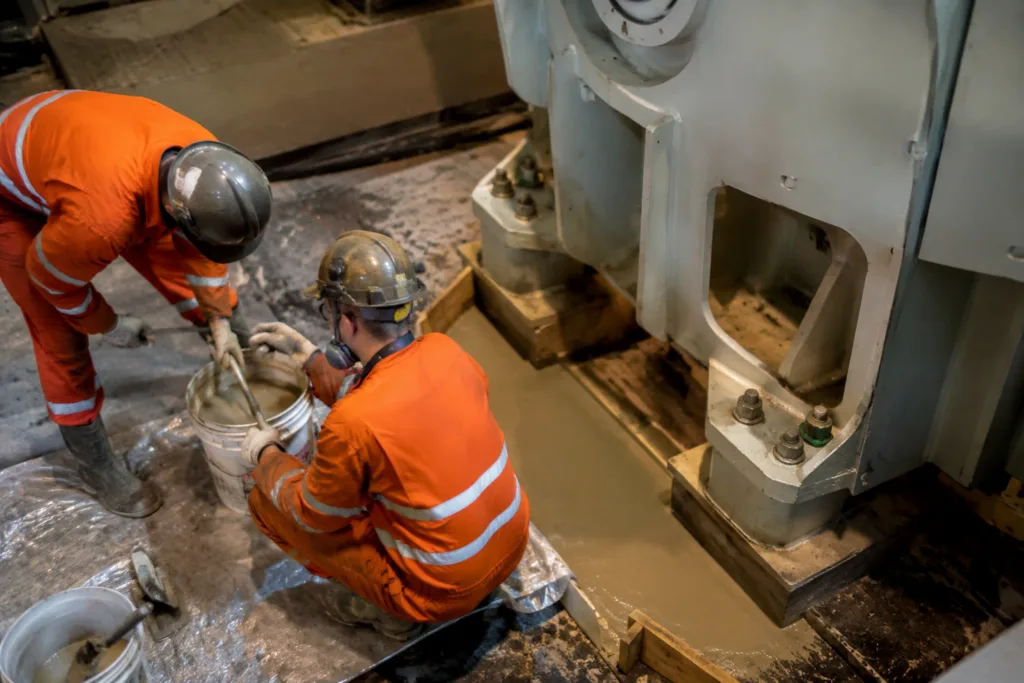
Mining operations run around the clock. The brief window of a 12-hour shutdown is often the only chance to address structural repairs, machinery alignment, or foundation reinforcement without risking production losses. Rapid cure grouting must not only set fast but also deliver reliable strength and chemical resistance. Delays in curing or improper application can cause equipment misalignment, vibration issues, or even safety hazards for returning crews.
Core Concepts of Rapid Cure Grouting
Rapid cure grouting involves specialized epoxy, polyurethane, or polyaspartic formulations designed to achieve high compressive strength and flowability in minimal time. Unlike traditional cementitious grouts, these advanced materials cure swiftly—sometimes within just hours—enabling mines to resume operations quickly. Selecting the right chemistry is vital: temperature, humidity, gap size, and substrate condition all affect cure rate and bond quality.
Materials and Technologies for Rapid Cure Grouting
Recent advances in resin technology have brought forth new generations of rapid curing grouts. Highly reactive epoxy systems, like those ZDS-1410AB High Compressive Epoxy Grout, allow for both quick-setting and high-load resistance. Polyurethane-based grouts offer flexibility and chemical resistance, especially in wet environments. Polyaspartic variants balance speed and durability, suitable for high-traffic areas under heavy loads.
Key Factors Influencing Rapid Cure
- Temperature: Warmer conditions generally accelerate cure but can also shorten pot life.
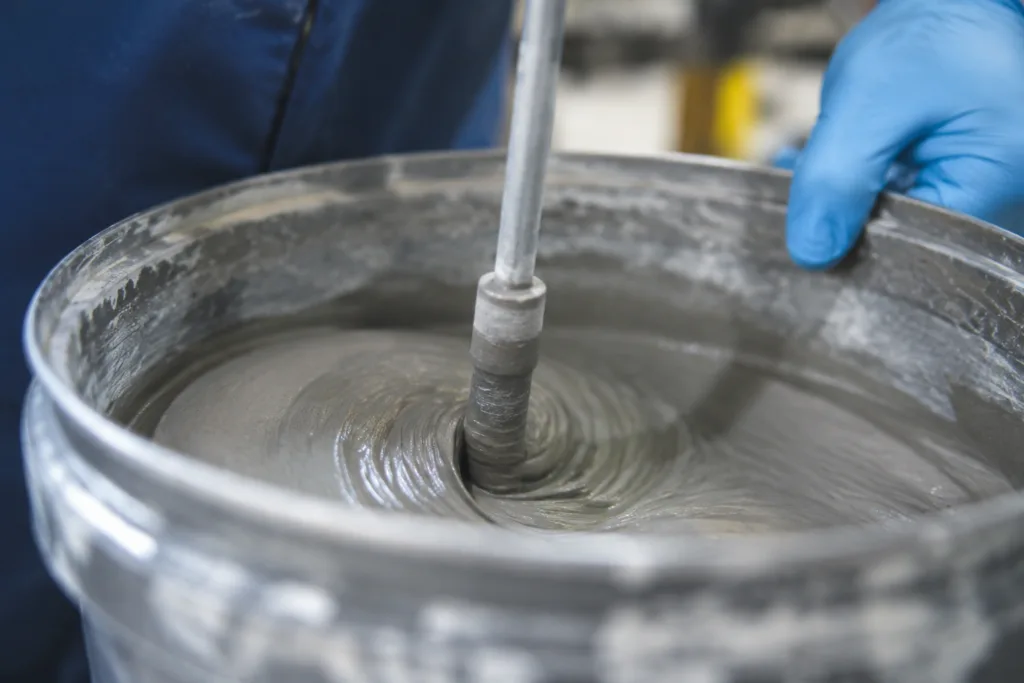
- Mix Ratio Discipline: Precise measurement and mixing are vital to prevent under-cured or brittle grout.
- Batch Size Control: Smaller batches avoid premature setting and waste.
- Surface Preparation: Clean, dry substrates maximize bond strength.
Practical Workflow: Grouting in a 12-Hour Shutdown
A successful rapid cure grouting operation begins with detailed shutdown planning. Tasks are pre-assigned, materials pre-staged, and equipment prepped for an efficient handoff. Here’s a typical workflow:
- Assess and mark repair zones
- Remove debris, oil, dust, and water from substrates
- Apply solvent-free epoxy primer for enhanced adhesion
- Mix rapid cure grout according to manufacturer’s method
- Place grout, monitor flow and air release
- Check gel time and initial set using onsite temperature and humidity readings
- Remove formwork or proceed with post-cure checks
Challenges and Troubleshooting in Rapid Cure Grouting
Tight deadlines amplify risks. Here are classic troubleshooting scenarios and solutions:
- Slow Set: Ambient temperature too low—use accelerators or heated formwork.
- Incomplete Cure: Incorrect mix ration—double-check measurements and use calibrated mixing containers.
- Poor Flow: Batch viscosity too high—reduce filler ratio or switch to low-viscosity product like ZDS-4131AB Low Viscosity Epoxy Grout.
- Surface Contamination: Oil or dust—use aggressive cleaning protocols and optionally apply a compatible primer.
Best Practices for Reliable Rapid Cure Grouting
- Pre-mockup testing with actual site temperature/substrate for realistic cure times
- Use only batch sizes that can be fully placed within pot life (~20–40 minutes)
- Ensure crew PPE and ventilation—epoxy and PU grouts often have VOCs
- Apply formwork sealing to prevent leaks
- Monitor post-cure with compressive/adhesive strength samples
Case Study: Crusher Base Grouting During a Twelve-Hour Shutdown
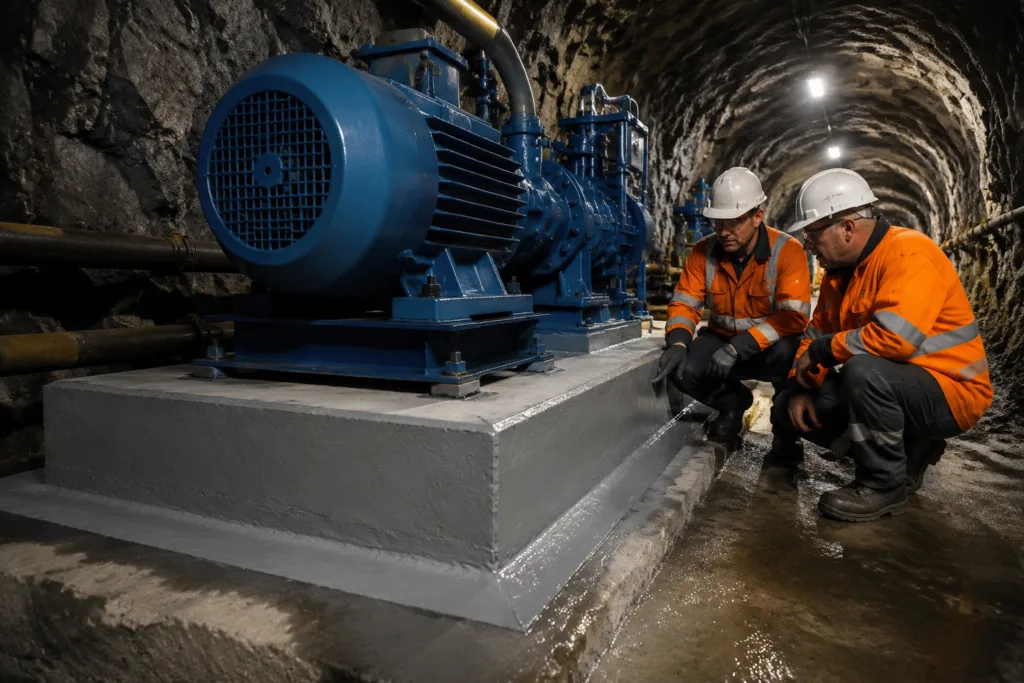
One mine scheduled a 12-hour shutdown to stabilize a vibrating crusher. Using a rapid cure epoxy grout, crews followed strict mixing discipline and surface prep procedures. Initial cure was achieved after three hours, with final compressive strength clocked in at 24 hours. Proper use of solvent-free primer and aggressive cleaning ensured no delamination or adhesion failures.
ZDSpoxy Field Insights: Engineering Rapid Cure Solutions
From a manufacturing standpoint, ZDSpoxy emphasizes quality control for fast-curing resin. Each batch is tested for viscosity, gel time, and performance under site conditions, minimizing risk of unexpected delays. Our plant-floor experience shows that balancing flowability with compressive strength—and preventing excess heat buildup from exotherm—is key. Documentation of mixing ratios, batch sizes, and cure progression ensures reliable results when timing is critical.
Volume Estimation Tools for Shutdown Planning
Accurate volume calculations ensure crews have enough grout ready but avoid unnecessary waste. Use the Epoxy Grout Volume Calculator Project Quote for fast and precise estimates before a shutdown begins.
Comparing Materials: Rapid Epoxy vs Polyurethane Grouting
| Attribute | Rapid Cure Epoxy | Rapid Cure Polyurethane |
|---|---|---|
| Cure Time (hrs) | 1–6 | 1–5 |
| Compressive Strength (MPa) | 80–120 | 40–80 |
| Chemical Resistance | High | Very High |
| Flexibility | Moderate | High |
| Bond to Steel | Excellent | Good |
| Moisture Tolerance | Low | High |
Safety Protocols: Rapid Cure Grouting in Mining Environments
Mining sites demand strict safety. Rapid cure grouting compounds often release heat during curing and may emit VOCs. Ensure all workers have suitable gloves, goggles, and respirators, especially in closed spaces. Adequate ventilation and emergency plans are essential, especially when deploying hot-mix grouts in confined equipment pits or foundations.
Worker Training and Supervision
Skilled labor is a vital asset. Proper training in rapid cure grout mixing, placement, and formwork sealing prevents many common failures. Supervisors should oversee batch preparation, monitor pot life, and handle troubleshooting without delay.
After-Cure Testing and Verification Methods
- Compressive strength cube or cylinder samples
- Adhesion pull-off tests
- Visual checks for voids, air pockets, or moisture intrusion
- QC records for batch traceability
Real-Time Monitoring: Temperature and Humidity Control
Installing digital thermometers and humidity sensors in the grouting area helps crews adjust cure schedules and mixing ratios. Understanding ambient fluctuations is especially important for underground shafts, where environmental conditions may be unpredictable.
Minimizing Shrinkage and Crack Formation
- Select grouts with proven low-shrinkage formulations
- Control pour thickness and rate
- Avoid overfilling formwork to prevent overspill and voids
Choosing Grout Types for Specific Mine Applications
Different mine areas require tailored solutions. High-compressive grouts suit machinery bases, while flexible polyurethane grouts excel in damp or moving substrates. For underwater or moist foundations, products like ZDS-1417AB High Strength Underwater Epoxy Grout ensure performance where standard products may fail.
Best Practices for Formwork Sealing and Air Release
Leaks and air pockets undermine rapid cure efficiency. Crews must seal formwork with caulk or compatible tape, pay attention to corner gaps, and vibrate grout gently to eliminate trapped air. Quick-cure materials can trap bubbles rapidly, so extra effort in air release pays off.
Rapid Cure Grouting for Crusher & Compressor Bases
Equipment like crushers and compressors operates under high vibration. Rapid cure grouting reinforces their bases fast, preventing misalignment and foundation degradation. Read more about real-world base grouting in Crusher & Compressor Base Grouting applications.
Managing Unexpected Weather and Substrate Conditions
Mining environments throw curveballs. Rainwater, subzero cold, or oil contamination require flexible strategies, such as heated tenting, oil-emulsifying cleansers, or specialty primers. Always maintain backup grout stocks for unplanned repairs.
Rapid Cure Grouting Strategies for 12-Hour Mine Shutdowns
To pull off high-quality repairs within a 12-hour shutdown, mines must pre-plan every step, use rapid cure grouting materials suited to their site, maintain disciplined mixing and placement protocols, and monitor environmental factors closely. Proper training, reliable batch testing, and adherence to safety rules guarantee that operations are back on track before the next shift begins. Rapid cure grouting strategies are not just about speed—they’re about lasting performance and zero compromise on safety.
Conclusion
Rapid cure grouting offers mining operations a practical, proven solution for executing essential repairs, stabilizations, and machinery installations during tight 12-hour shutdown windows. Success depends on the right material selection, disciplined workflow, robust surface preparation, and vigilant monitoring of environmental factors. Innovations in epoxy, polyurethane, and polyaspartic grouts continue to shrink cure times while boosting reliability, empowering mines to stay operational, safe, and cost-effective.
Frequently Asked Questions
What is rapid cure grouting in mining?
Rapid cure grouting uses quick-setting epoxy, polyurethane, or polyaspartic materials to reinforce structural elements during short shutdowns, minimizing downtime and keeping equipment stable.
How fast do rapid cure grouts set?
Most rapid cure grouts reach initial set in 1–6 hours, depending on site conditions and formulation. Some allow for equipment restart within the same shift.
What are key materials for 12-hour shutdowns?
High-strength epoxy grouts, fast-reacting polyurethane systems, and polyaspartic blends are preferred for their speed, durability, and adaptability to challenging conditions.
What steps ensure successful rapid cure grouting?
Success comes from careful surface prep, accurate mixing, real-time temperature monitoring, and using compatible primers for maximum adhesion and cure reliability.
How is grout volume calculated before a shutdown?
Crews use tools like epoxy grout volume calculators to estimate material needs, preventing shortages and optimizing batch sizes during rapid execution.
What safety measures should crews follow?
Proper PPE, real-time ventilation, careful handling of hot-cure batches, and clear communication protocols are essential for safe rapid cure grouting on site.